Here's the short version.
- Get checked within 48 hours, even if you feel okay. Many injuries show up late.
- Mention the wreck to every provider and name every symptom.
- Follow through on treatment and keep every bill, receipt and note.
- Texas generally caps medical expense recovery at what was really paid or still owed.
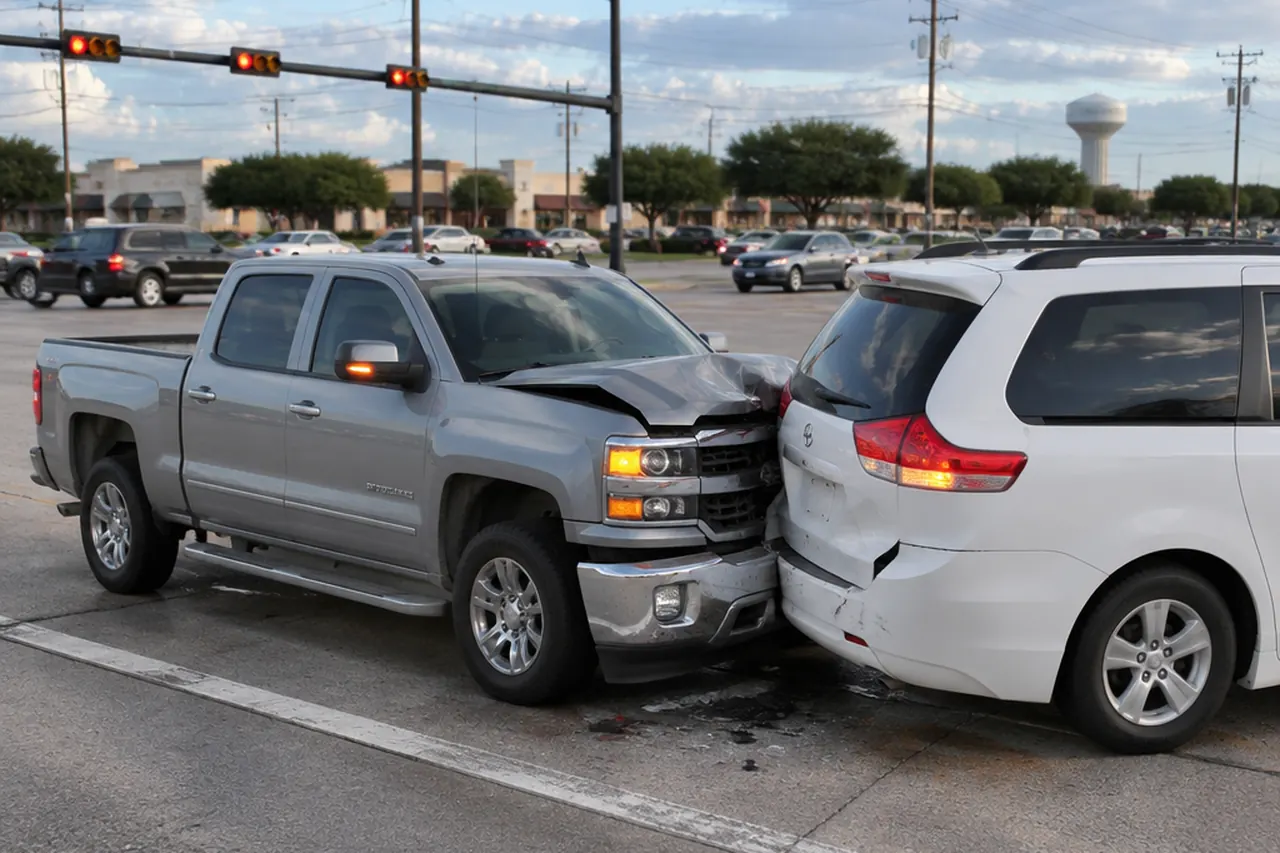
A crash at 40 mph on Texoma Parkway puts huge force on the human body, and even a low-speed bump in a Sherman parking lot can jolt your neck harder than you would expect. This page is not medical advice. It is a practical guide to noticing injuries, getting care and keeping records, so your health and your claim are both protected.
Symptoms that often show up later
Adrenaline masks pain. Plenty of folks feel fine at the scene and cannot turn their heads by breakfast. Call a doctor or go to the ER if you notice:
- Headache that will not go away, dizziness, confusion, trouble focusing or sensitivity to light.
- Neck or shoulder stiffness, or pain running down an arm.
- Back pain, or numbness and tingling in your legs.
- Belly pain, swelling or deep bruising, possible signs of internal injury.
- Nightmares, jumpiness behind the wheel, or trouble sleeping.
Sudden severe headache, vomiting, weakness on one side or blood in urine are emergencies. Wilson N. Jones Regional Medical Center in Sherman and Texoma Medical Center in Denison both run emergency departments.
Injuries we hear about most
Soft tissue and whiplash
Whiplash happens when the head snaps forward and back. It is common in rear-end crashes and can cause weeks or months of pain. Because it does not always show on an X-ray, adjusters sometimes downplay it, which makes consistent treatment records even more important.
Head and brain injuries
Concussions count as brain injuries, blackout or not. Memory gaps, mood changes and fatigue can linger. Ask your doctor about follow-up if symptoms last.
Back and spine injuries
Herniated or bulging discs can press on nerves and cause shooting pain. Some heal with therapy. Others need injections or surgery.
Broken bones
Wrists, ribs, collarbones, hips and legs often break in side-impact and head-on crashes. Healing can mean casts, hardware and months off work.
Cuts, burns and scars
Broken glass and airbags can leave lasting marks. Scarring and disfigurement are generally part of what a Texas claim can include.
Emotional injuries
Fear, low mood and post-traumatic stress after a wreck are real injuries too. Talking to a counselor counts as care too.
Covering medical costs before the claim settles
Don't expect the other driver's insurer to pay bills as they arrive. In the meantime, bills may be covered by:
- Your PIP coverage, which pays whoever caused the crash, unless you signed it away.
- Your health insurance, which may want to be paid back from a later settlement.
- MedPay, if your policy has it.
- Providers who agree to wait for payment from the claim, sometimes with a lien.
Our Texas PIP coverage explainer has more detail.
How to document your injuries
Good records do not just help a claim. They help your doctors too. Try this:
- Tell every provider about the crash. Your chart should connect the injury to the wreck.
- Describe every symptom, even the ones that seem minor. A sore knee you never mention is hard to add later.
- Keep a short daily journal. Pain level, sleep, what you could not do, and missed events.
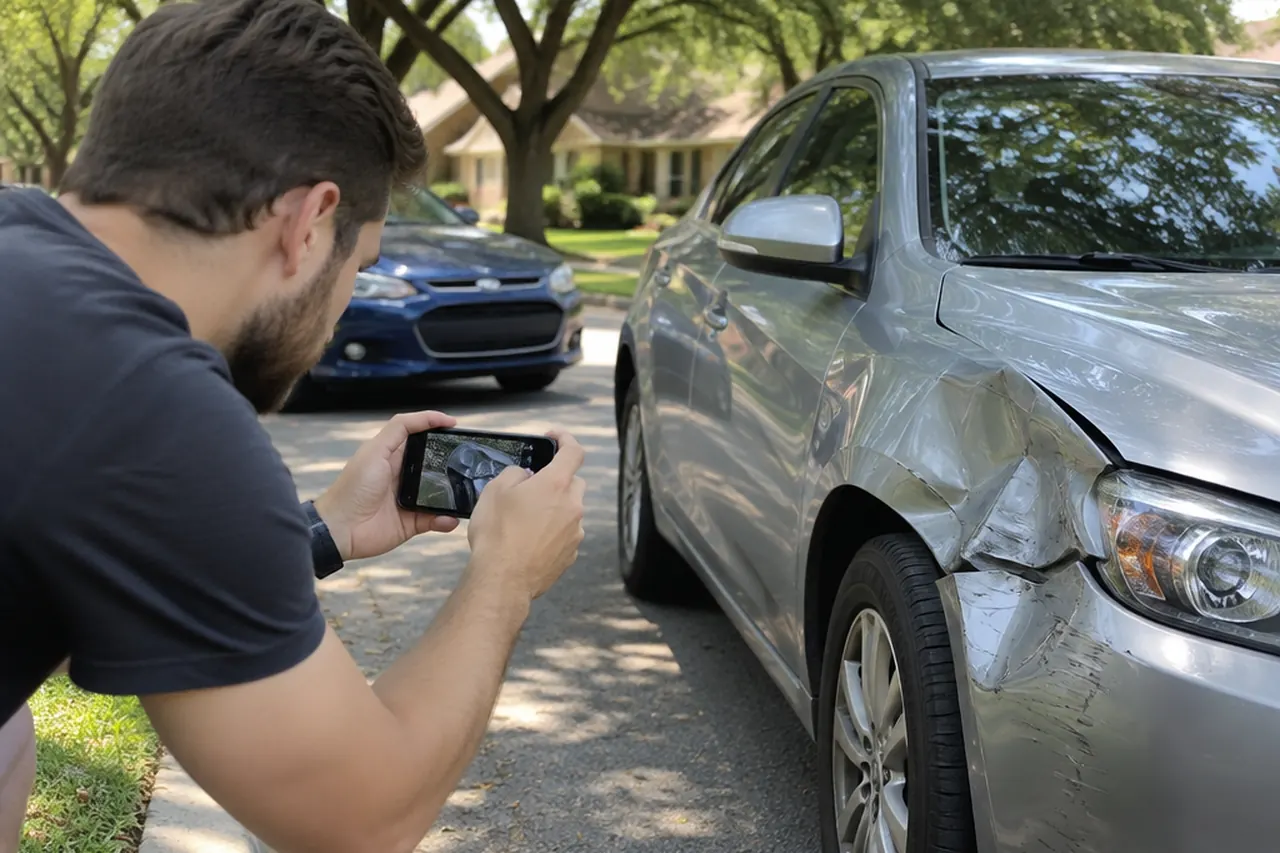
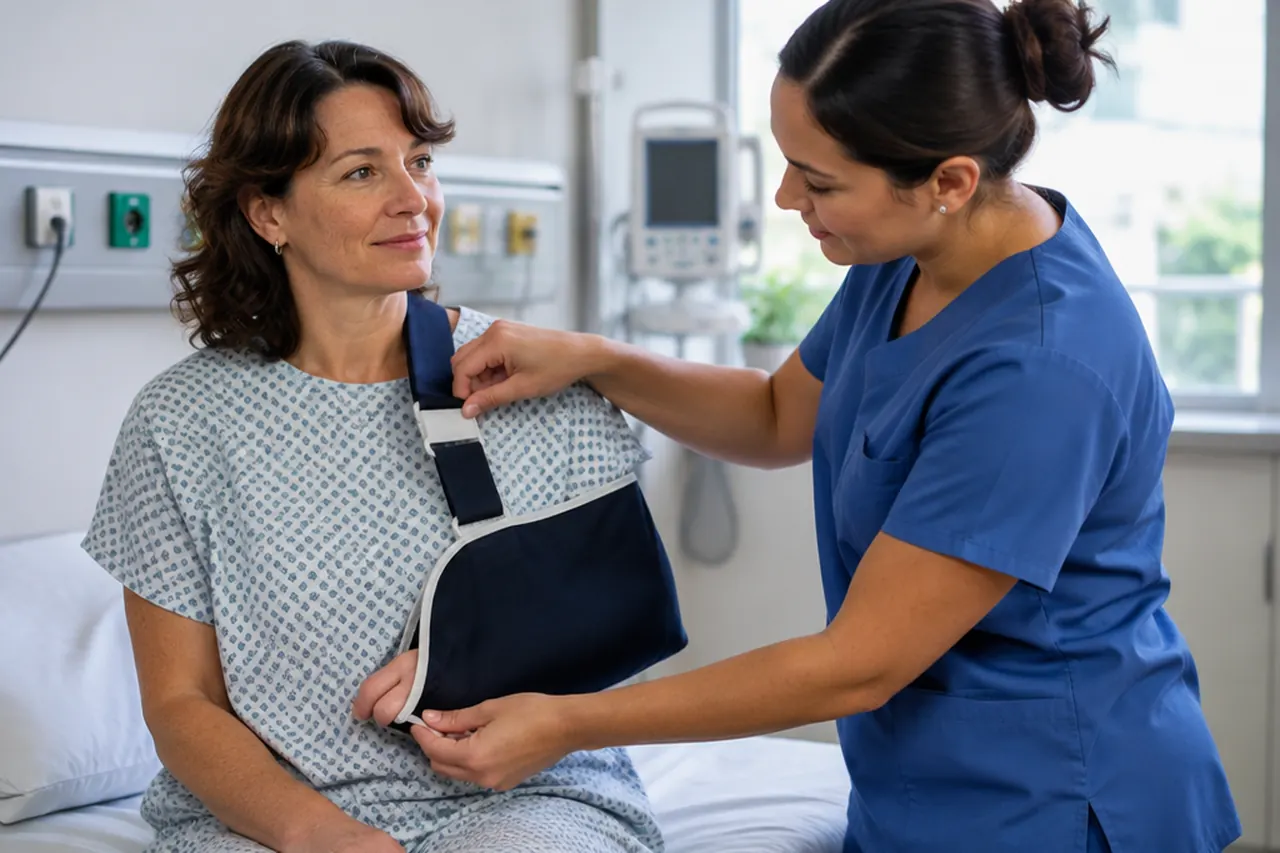
- Take photos of bruises, stitches and braces as they change.
- Save everything: bills, explanation of benefits forms, pharmacy receipts, mileage to appointments.
- Get work notes from your doctor and pay stubs showing missed time.
Why gaps in treatment hurt
If you wait two weeks to see a doctor, or stop therapy halfway, an adjuster may argue you healed, or that something else caused the pain. Life gets in the way, and that is understood. If you need to stop or change treatment, talk to your provider and make a note of why.
How medical bills count in Texas
Under Texas law, past medical bills generally count at the amount paid or owed, not the full billed price. If a hospital bills one amount but your health insurer paid a discounted rate, the claim usually reflects the lower figure. Future care, lost wages, pain and impairment are separate parts of a claim. Our article on what a claim may be worth in Texas explains the moving parts.
Children and older adults
Kids may not be able to describe what hurts, and they may just seem cranky or tired. Watch for changes in sleep, appetite, mood or schoolwork, and take them to their pediatrician after any real crash. Car seats that were in a moderate or severe crash usually need to be replaced, so check the seat maker's guidance and keep the receipt.
Older adults may have bones that break more easily and may take blood thinners that raise the risk of internal bleeding. A fall-like jolt in a crash deserves a doctor's look even if it seemed minor. Family members can help by going to appointments, writing down instructions and keeping track of new medications.
Heading back to work
Go back when your doctor clears you, not before. Light duty may be an option. Our article on returning to work after a crash has tips. If you were hurt on the job while driving, workers' compensation may also be involved, unless your employer is a non-subscriber.
Hurt badly and getting pushback? Our free case review is a no-cost way to reach an independent Texas injury attorney. You can also call (903) 357-5775.
Sources
Questions & answers
When should I get checked after a wreck?
As soon as you can, ideally within a day or two. Some injuries take time to show symptoms, and an early visit also creates a record connecting the injury to the crash.
Will my health insurance pay for car accident treatment?
It often does, but it may ask to be repaid from a settlement. Your PIP coverage may also help with medical bills regardless of fault.
Can I claim for anxiety or trouble driving after a crash?
Mental anguish is generally one of the losses a Texas injury claim can include. Getting care from a counselor or doctor helps document it.
Related