Here's the short version.
- Get safe, check on everyone, and dial 911 for any injury or a car that will not drive.
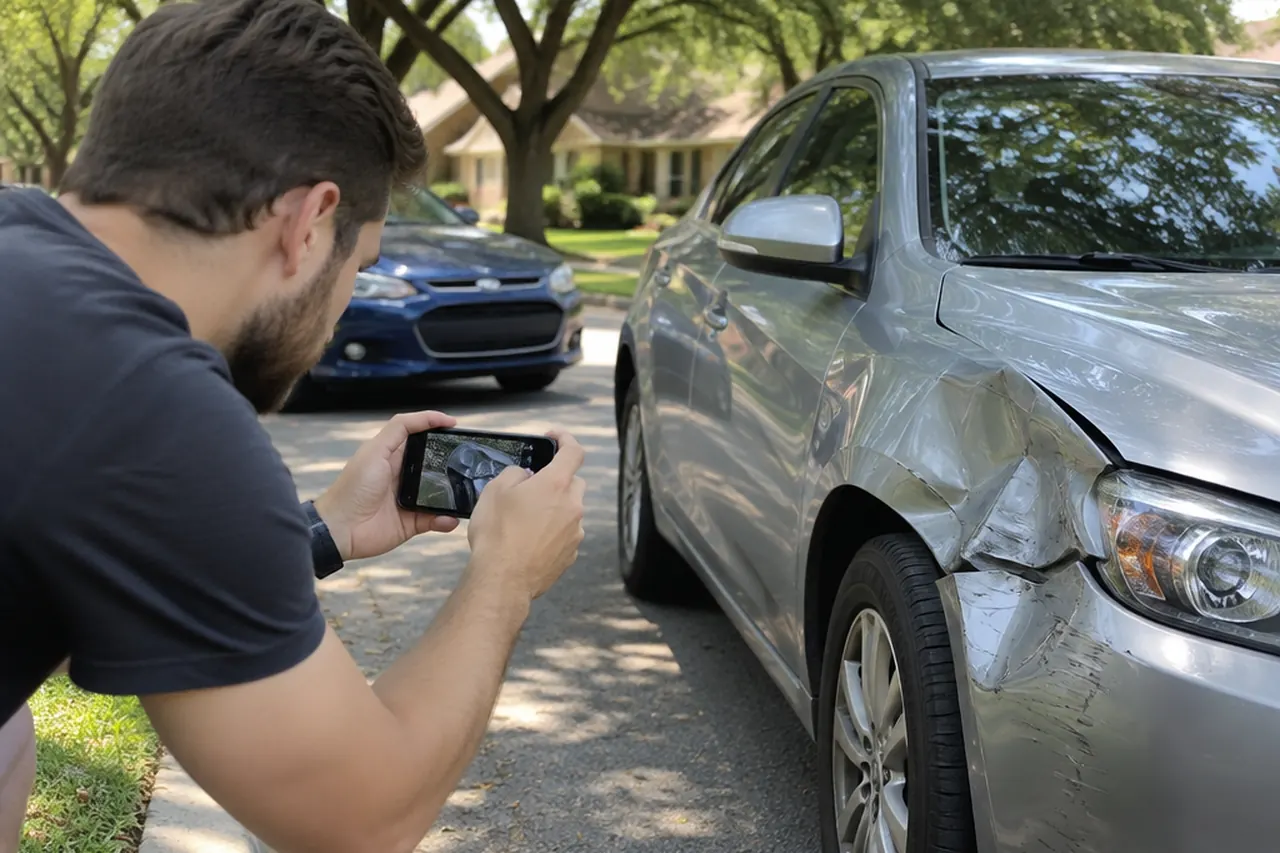
- Swap information, take photos and get witness names before people leave.
- Get a medical checkup within 48 hours, even if you feel mostly fine.
- Tell your own insurer, but be careful about recorded statements to the other driver's company.
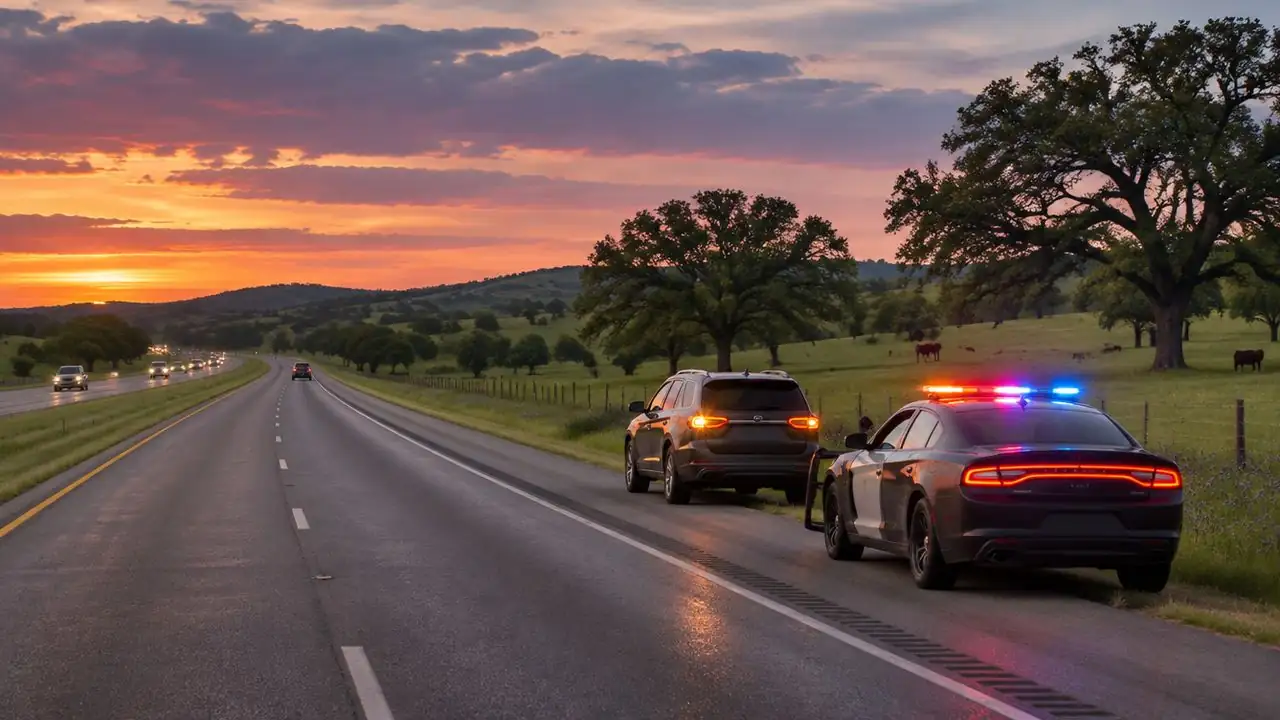
Wrecks in Sherman happen everywhere: in the stop-and-go on US-75, at a busy light on Lamar or Travis Street, or on a dark county road where a deer jumps out. Wherever it happened, the steps below are the same. Keep this page handy on your phone.
The first ten minutes
- Check yourself, then your passengers. If someone has neck or back pain, or seems confused, keep them still unless there is fire or traffic danger.
- Get out of harm's way. If the cars can move and nobody is badly hurt, pull onto the shoulder or into a parking lot. On the expressway, stay buckled in with hazards on if stepping out is risky.
- Call 911. Texas law requires drivers to report a crash that hurts or kills someone or leaves a vehicle that cannot be driven normally. Inside city limits, Sherman Police usually respond. Outside town, expect a Grayson County deputy or a DPS trooper.
- Help if you safely can. Texas drivers have a duty to stop and give reasonable help to anyone injured.
At the scene: what to collect
While you wait for an officer, gather the basics. The other driver is required to share their name, address, vehicle registration and insurance. Get:
- A photo of their driver's license and insurance card.
- Their license plate and the make and color of the car.
- Names and phone numbers of witnesses. People leave fast, so ask early.
- Photos of every vehicle from several angles, skid marks, debris, traffic lights, signs and the weather.
- A photo of any cuts, bruises or seat belt marks on you.
- The officer's name, agency and any report number they give you.
Lots of drivers on Sherman roads have Oklahoma plates, heading to or from the lake or across the Red River. That is fine. Texas law still generally controls a wreck on this side of the river, so gather the same details you would from a local.
Watch your words at the scene
Be polite and stick to facts. Saying "I'm sorry" is a natural reflex, but it can be twisted into an admission. Skip guesses about speed or who was at fault. Tell the officer what you saw and felt, and if you are not sure about something, say so. Do not argue on the roadside or post about the wreck online.
The first 24 to 48 hours
Get checked out
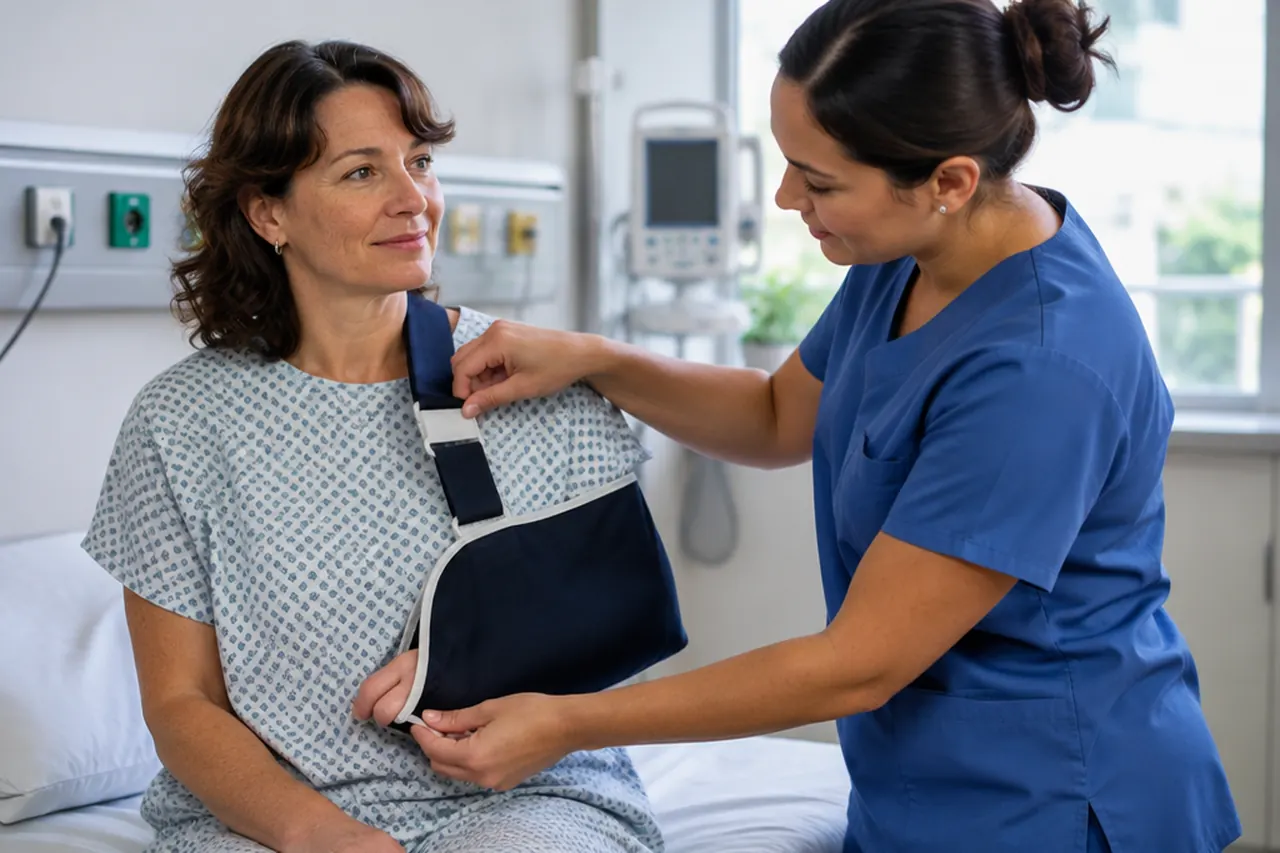
Adrenaline hides pain. Whiplash, concussions and internal injuries often show up hours or days later. Go to the ER at Wilson N. Jones Regional Medical Center or Texoma Medical Center if something feels wrong, or see an urgent care or your regular doctor soon. Adjusters love to point at the days between the wreck and your first visit.
Report it to your own insurer
Your policy likely requires prompt notice. Give the basic facts: when, where and who. You can say you are still being evaluated for injuries.
Start a folder
Paper or digital, it does not matter. Keep receipts, discharge papers, the tow bill, rental car paperwork and every letter from an insurer. Jot down your pain level and what you could not do each day.
The first few weeks
- Follow your treatment plan. Go to physical therapy and follow-ups. Missed appointments give the insurer an easy story that you were fine.
- Order the crash report. Once it is filed, you can usually buy it online. Our Sherman crash report guide explains how.
- Look at your own policy. Personal injury protection (PIP) can cover medical bills and lost pay whoever caused it, as long as you never declined it in writing.
- Be careful with the other insurer. You do not have to give their adjuster a recorded statement. Read more in our insurance claims guide.
- Do not sign a release early. Once you sign, the claim is usually closed for good, even if you learn later that you need surgery.
If your wreck was not typical
Some crashes call for extra steps:
- The other driver fled. Call police right away and jot down every detail of the car you can recall. Our guide for drivers who flee or carry no coverage has more.
- A big rig was involved. Trucking companies often send their own investigators fast. Our truck accident page covers what is different.
- It happened in a work zone. Note the contractor's name on equipment and signs. A government vehicle or road defect can trigger short notice deadlines.
Storms, deer and dark county roads
Not every Grayson County wreck happens on a lit city street. A few local situations call for a little extra care:
- Hail or a spring storm. If you slid or were hit during a downpour, photograph standing water, debris and visibility. Weather does not excuse a driver who was going too fast for the conditions.
- Ice. On the rare winter mornings when bridges and overpasses glaze over, stay in your car if traffic is still moving around you, and wait for help.
- A deer strike. Hitting an animal is usually a claim under your own comprehensive coverage. Swerved around a deer and into another car? Get the sequence down on paper.
- Loose cattle. Texas has livestock laws that can matter when a cow or horse is on the road. Note where the animal came from and any broken fence.
- No cell signal. Out past Tom Bean or Southmayd, coverage can be spotty. Note mile markers, crossroads or a nearby landmark so help can find you.
When to get a second opinion
If you are hurt, the blame is being pinned on you, or the insurance company is slow or lowballing you, a conversation with an attorney can help you see where you stand. Our free case review connects you with an independent Texas injury lawyer, or you can call (903) 357-5775.
Sources
Questions & answers
Is a police call required for a small Sherman fender bender?
Texas requires a report for any injury or death, or a car left unable to drive normally. Even for smaller crashes, an officer's report can help settle disagreements later about what happened.
What if I felt fine at the scene but hurt the next day?
That is common. See a doctor as soon as you notice symptoms and tell them about the crash. Delayed pain is not unusual after a collision.
Is it okay to speak with the other driver's insurer?
Basic facts are fine, but a recorded statement for the other company is generally optional. Many people speak with an attorney first.
Related