Here's the short version.
- Truck claims often involve the driver, the trucking company, a shipper or a maintenance shop, each with its own insurer.
- Federal rules limit how long truckers drive and require records that can prove what happened.
- Trucking companies often send investigators fast. Key evidence may not be kept for long.
- Get medical care, keep your records, and think about talking to an attorney early.
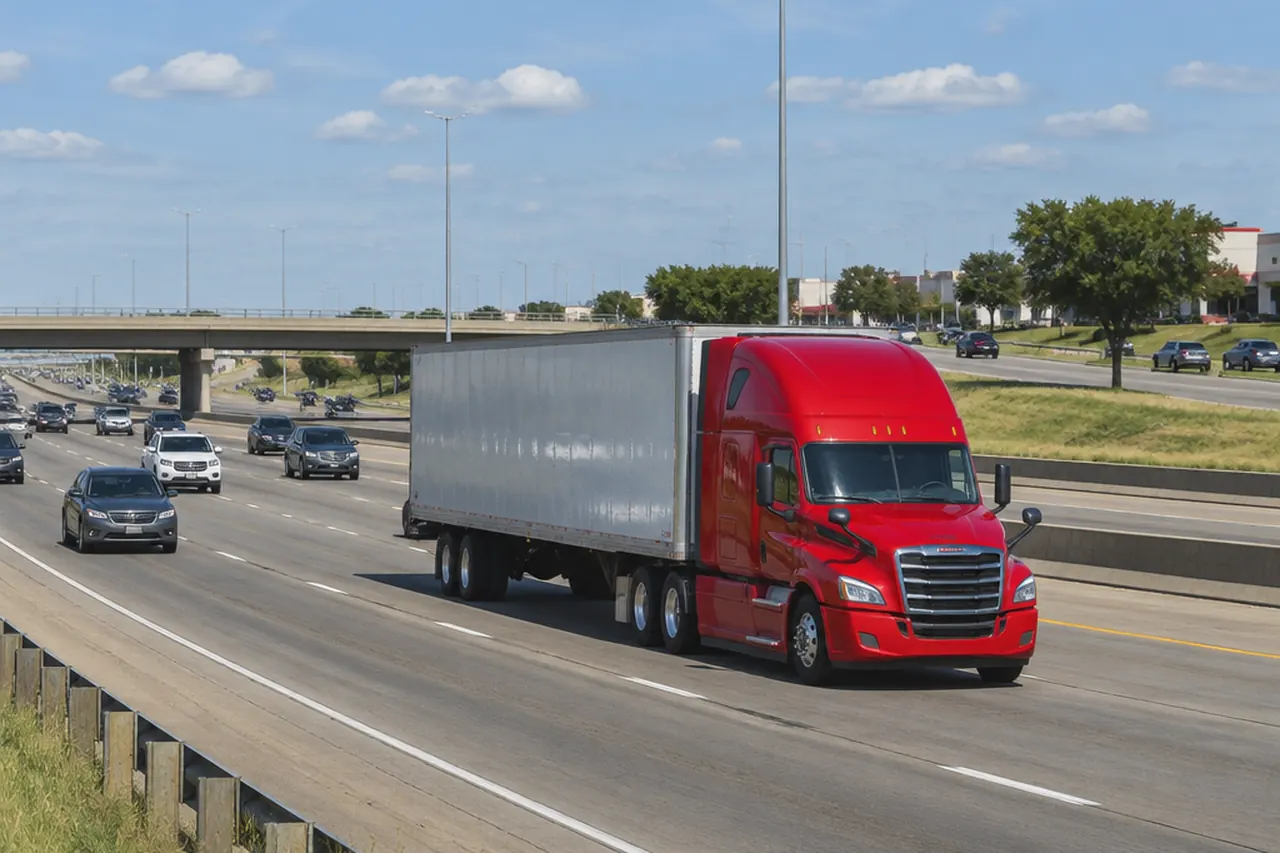
US-75 is a main freight route between Dallas and Oklahoma, and US-82 carries trucks east and west across the county. Add in delivery vans on Texoma Parkway, gravel and concrete haulers serving construction sites, and farm trucks on county roads, and Sherman sees its share of big vehicles. When a crash involves one of them, it helps to understand how these cases tend to unfold.
Why a truck claim is not a regular car claim
Three things set truck wrecks apart:
- Size. Weight and height mean more force and more serious injuries, including spinal injuries, brain injuries and deaths.
- Rules. Interstate trucking is regulated by federal safety rules on driver hours, inspections, maintenance and drug and alcohol testing. Breaking one of those rules can be strong evidence of carelessness.
- More parties. A wreck can involve the driver, the motor carrier, the company that owns the trailer, the shipper who loaded it, and a repair shop. Each may have separate coverage.
What often causes truck crashes around here
- Fatigue. Federal hours-of-service rules cap driving time and require rest breaks. Long hauls on US-75 can push drivers past those limits.
- Following too close. A heavy truck needs far more room to stop, which matters in the slowdowns heading toward Collin County.
- Wide turns and blind spots. Trucks turning onto Texoma Parkway or into a warehouse lot can sweep across lanes.
- Bad brakes or tires. Poor maintenance shows up in inspection records.
- Loose or overloaded cargo. Gravel, pipe or equipment can shift or spill.
- Weather. Spring storms, hail and the occasional ice storm make it harder for big rigs to stop or stay in a lane.
Evidence that can disappear
Many trucks carry electronic logging devices and engine computers that may record speed, braking and hours. Companies also keep driver logs, dispatch records, inspection reports and drug test results. Federal rules require some records to be kept only for limited periods. That is why a preservation letter to the carrier tends to go out early in these cases.
On your end, try to get:
- The company name and the USDOT number painted on the cab door.
- Photos of the truck, trailer, license plates and any cargo.
- Names of witnesses and the responding officer.
- Your medical records from the very first visit.
Who may be responsible
The driver
For speeding, distraction, impairment, fatigue or a bad lane change.
The trucking company
Employers are often responsible for drivers acting on the job. A company may also be responsible on its own for hiring an unsafe driver, pushing impossible schedules or skipping maintenance.
Others in the chain
A shipper or loader for bad cargo, a mechanic for faulty repairs, or a manufacturer for a defective part.
Insurance in truck crashes
Commercial carriers generally must carry far higher liability coverage than ordinary drivers. That does not mean a claim is easy. Trucking insurers often respond quickly, with adjusters and sometimes their own crash investigators at the scene. Be careful with recorded statements and early offers. Our insurance claims guide explains the basics.
Out-of-state companies and federal court
Many trucks on US-75 belong to companies based in other states. Texas law still generally controls a wreck here, but a suit against a company from elsewhere sometimes lands in federal court. The U.S. District Court for the Eastern District of Texas has a Sherman Division.
When the trucker blames you
Expect the company to look for ways to put some of the blame on you, such as cutting in front of the truck or braking suddenly. Texas's proportionate responsibility rule generally lets you recover at 50 percent fault or less, minus your share. Photos, video and the truck's own data can help answer those claims.
The kinds of trucks on Sherman roads
Not every commercial vehicle crash involves a long-haul 18-wheeler. Around Sherman, you also see:
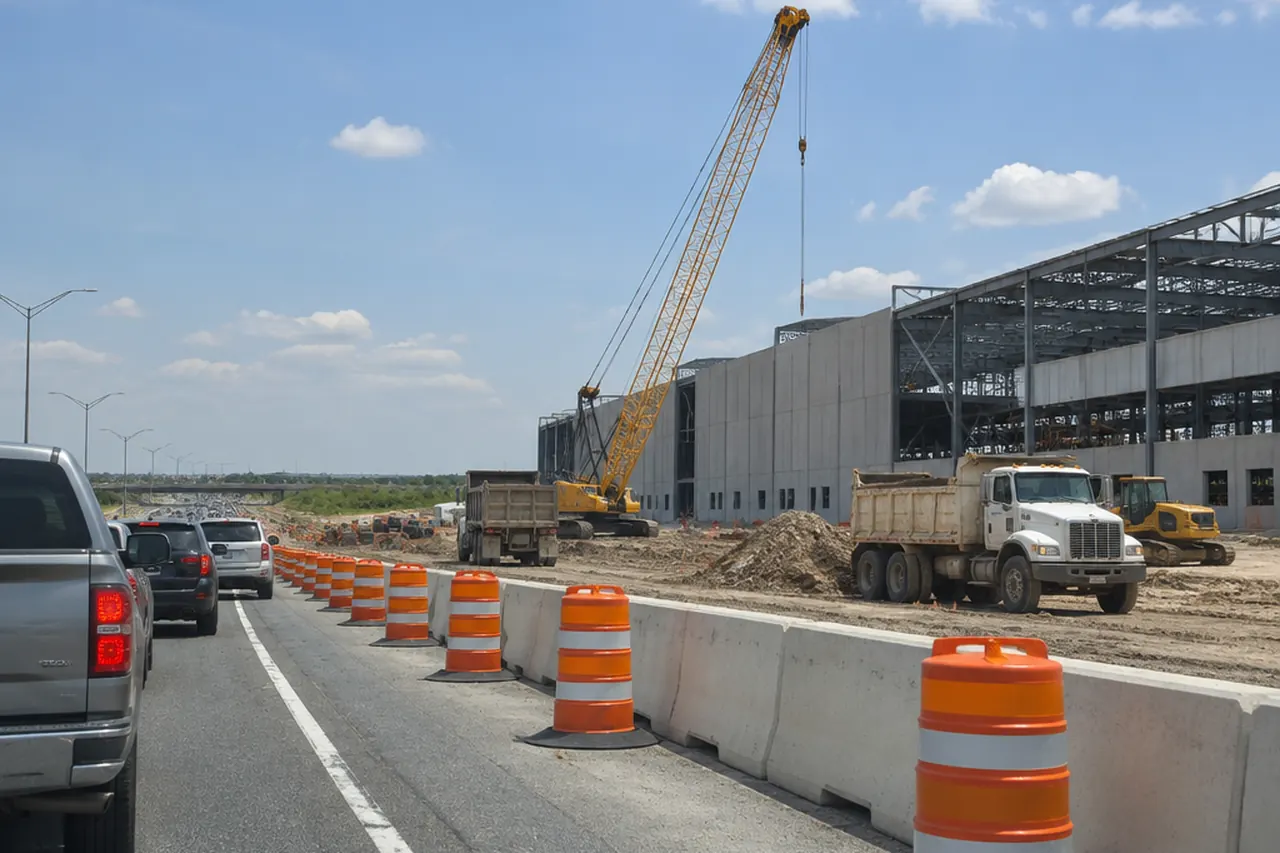
- Construction haulers moving dirt, gravel and concrete to the big building projects on the west side of town.
- Delivery and box trucks making stops along Texoma Parkway, downtown and in neighborhoods.
- Farm and ranch trucks pulling trailers on rural roads, sometimes slowly and sometimes after dark.
- Tankers and flatbeds on US-75 and US-82.
Smaller commercial vehicles may not follow every rule that applies to interstate big rigs, but the company behind the truck may still be responsible for its driver. The questions are the same: who owned the truck, who employed the driver, and what was the driver doing when the crash happened. Writing down the company name and any numbers on the doors and trailer is one of the most useful things you can do at the scene.
What to do next
- Get medical care and follow through. See our car accident injuries guide.
- Get the crash report. See the Sherman crash report guide.
- Write down everything you remember while it is fresh.
- Talk with an attorney before signing anything from the trucking company.
Truck traffic also builds near Sherman's big construction projects. If your wreck happened around a work zone, see our construction zone page. For a no-cost review with an independent Texas attorney, use our free case review or call (903) 357-5775.
Sources
Questions & answers
What is the USDOT number on a truck door?
It is an identification number assigned to many commercial carriers and is usually painted on the truck's cab. It points to the carrier behind the truck and its safety history.
How long does a trucking company keep its records?
It depends on the record. Federal rules only make carriers hold some records for a short stretch, which is why prompt requests to preserve evidence are common in truck cases.
Can I sue the trucking company and not just the driver?
Often, yes. Employers are frequently responsible for drivers working on the job, and a company may also be responsible for its own unsafe practices.
Related