Here's the short version.
- Figure out who worked the wreck: Sherman Police, the Grayson County Sheriff's Office or Texas DPS.
- Once filed, most Texas crash reports are for sale on TxDOT's online system.
- Read every page, including the codes and diagram, for mistakes.
- To fix an error, contact the agency that wrote it. Facts are easier to correct than opinions.
After a wreck, you will hear people talk about "the police report." In Texas, it is the officer's crash report, a standard state form that records who was involved, where, the conditions, and what the officer thinks contributed. Insurance companies read it early, and it often shapes their first view of who was at fault. That makes it worth getting, and worth reading closely.
Step one: which agency wrote it?
Around Sherman, three agencies handle most crashes:
- Sherman Police Department covers wrecks inside the city, from downtown streets like Houston and Center to Texoma Parkway and Lamberth Road.
- Grayson County Sheriff's Office often handles crashes on county roads outside city limits.
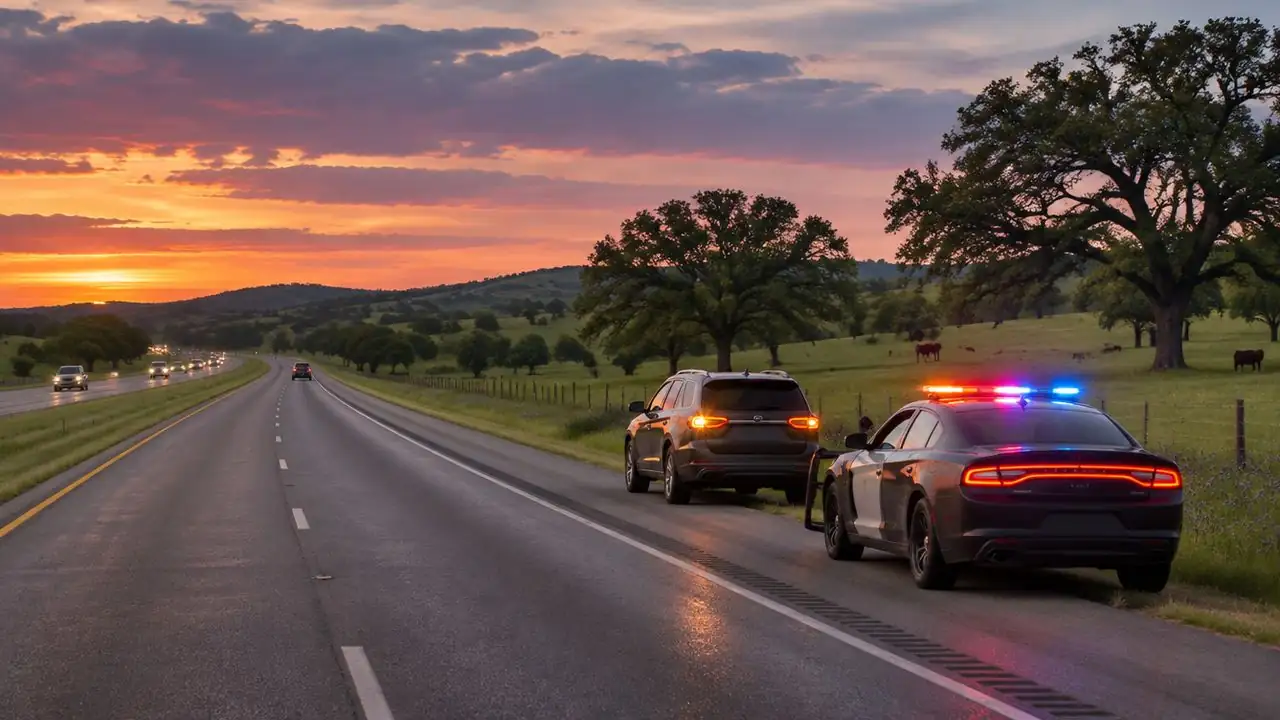
- Texas DPS Highway Patrol troopers commonly work wrecks on state and U.S. highways in rural parts of the county, such as stretches of US-82 or SH-56.
If the crash was in Denison or another town, that town's department may have written it. Not sure? Check any paper the officer gave you. The agency name and a case number are often printed on it. If you got nothing, call the non-emergency line of the agency you think responded and give them the date and location.
Step two: buy it through TxDOT
Texas law requires officers who investigate certain crashes to send a written report to the Texas Department of Transportation. TxDOT runs an online crash report purchase system where people involved in the crash, and some others with a lawful reason, can buy a copy.
To search, you will usually need some combination of:
- The crash date and the county (Grayson).
- A name of someone involved, a vehicle plate or VIN, or the report or crash ID number.
Expect a modest fee, a little more for a certified copy. Reports are not posted instantly. The officer needs time to finish it and the system needs time to process it, so it can take a week or more. If it is still missing after a couple of weeks, call the agency's records section and ask whether it was submitted.
Some agencies also release copies directly. That can help if the online system is not finding yours.
What if no report was made?
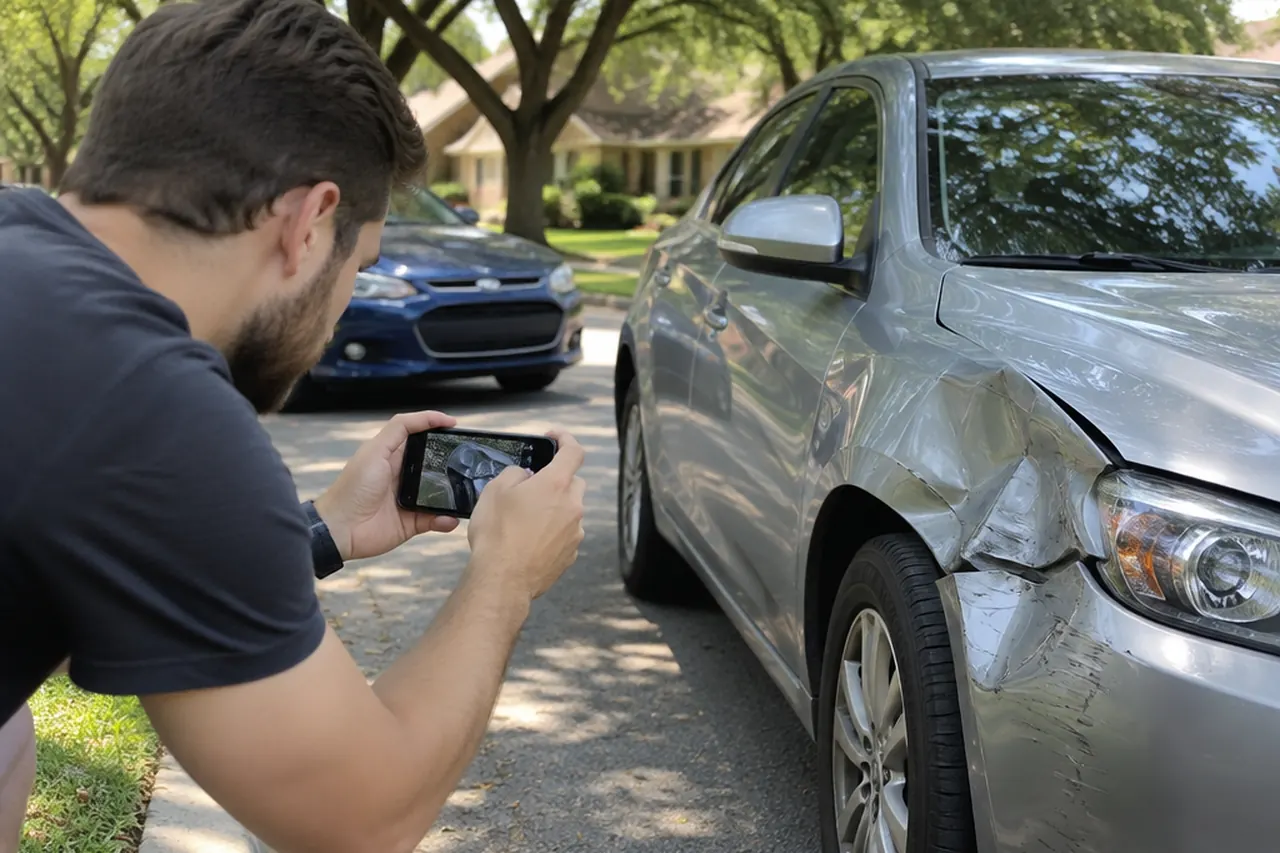
Officers do not always write a full report for minor crashes with no injuries. If nobody came, or the officer left without a report, you may still be able to file information with the agency. Keep your own record either way: photos, witness names and a written account done the same day. Our article on a car accident with no police report covers this.
Step three: read it like an adjuster would
The form packs a lot onto a few pages. Go through it slowly with a highlighter:
- The basics. Names, addresses, plates, insurers and policy numbers. A wrong policy number can stall your claim.
- Time and place. Is the street, direction of travel and intersection right?
- The diagram. Does the sketch show the cars where they really were?
- The narrative. The officer's short story of what happened. Does it match your memory?
- Contributing factors. These are number codes for things like failing to yield, following too closely, distraction or speed. The code key is usually available from TxDOT. Check which driver each code is tied to.
- Injury codes and witnesses. Make sure your injuries are noted and witnesses are listed.
Step four: ask for a correction
If something is wrong, act sooner rather than later. Reach out to whichever agency wrote it and ask about their process for corrections or supplements. It helps to:
- Be calm and specific. Point to the exact box or sentence.
- Bring proof: your license, registration, insurance card, photos or a witness's contact information.
- Ask whether the officer can add a supplemental report rather than rewriting the original.
Plain factual slips, such as a wrong plate or a misspelled name, tend to be the easiest fixes. Changing the officer's opinion about who caused the wreck is much harder. If that happens, the report is not the final word. Insurers and courts can weigh photos, video, witness accounts and vehicle data too.
Keep your own copies and notes
Once you have the report, save a digital copy and print one for your folder. Then sit down and write your own short account next to it, while your memory is still fresh:
- Which way you were headed and why you were on that road.
- What the light or sign showed.
- Where the other car came from and how fast it seemed to be going.
- What anyone said right after, including the other driver.
If your insurer wants the report, send it and note the date. If you spot an error but cannot get it changed, your written account plus photos can help tell the full story later.
Why the report matters, and why it is not everything
A favorable report can speed up a claim. An unfavorable one can slow it down. Either way, an adjuster is not bound by it, and in court, parts of it may not even be admitted. Think of it as one important piece of evidence, not the verdict.
For the rest of the process, see our first-days checklist and our insurance claims guide. If the report blames you unfairly and you were hurt, our free case review is a no-cost way to reach an independent attorney, or call (903) 357-5775.
Sources
Questions & answers
How soon can I buy my Sherman crash report?
It varies. The officer has to complete the report and it then has to be processed, so it is often a week or more before you can buy it online. Call the agency's records section if it is taking much longer.
Can I get my crash report if I was a passenger?
Generally yes. People involved in the crash, including passengers, are usually among those allowed to purchase a copy.
Will the officer change who they blamed?
Sometimes, but it is uncommon. Factual errors are easier to correct than opinions. If the report never changes, photos, video and witnesses can still tell the story.
Related