Here's the short version.
- Texas law sets rideshare insurance levels based on the driver's app status.
- From accepting a ride until the passenger gets out, at least $1 million in liability coverage generally applies.
- When the app is on but no ride is accepted, lower limits of 50/100/25 generally apply.
- Screenshot the trip and get the driver's details before you leave the scene.
Rideshare cars are a big part of how people get around Sherman now: rides to and from Austin College, trips to the hospital, nights out downtown, and rides home from the casinos across the river. When one of those cars crashes, figuring out which insurance applies is the first puzzle. Texas has a specific law for this, in Chapter 1954 of the Insurance Code.
Why the app status matters
Coverage generally changes with what the driver was doing:
- App off. No different from any other motorist. Their personal auto policy is generally the only coverage.
- App on, waiting for a request. Texas generally sets the floor at $50,000 a person, $100,000 a crash and $25,000 for property.
- Ride accepted, heading to the pickup, or carrying a passenger. Texas generally requires at least $1 million in liability coverage.
The company's records usually show which phase the driver was in. That is why trip screenshots and timestamps can matter so much.
If you were a passenger
As a paying rider, you were generally covered by the higher limit during your trip. Since you were not driving, the fight over fault is usually between the drivers, not you. If another driver hit your rideshare car, their insurance may be responsible too. Your own PIP or health insurance may help in the meantime.
If a rideshare driver hit you
Whether you were in another car, on a bike or walking, the rideshare driver's coverage depends on their app status. Ask the driver directly whether they were working, and tell the officer. Get photos of any rideshare stickers or signs in the windows.
If you were the rideshare driver
Drivers are often surprised to learn that their personal policy may exclude coverage while the app is on. The company's policy may fill some of the gap, but coverage for your own injuries can be limited. Texas generally classes rideshare drivers as independent contractors, so workers' compensation usually is not in the picture. Check your own policy for a rideshare endorsement.
What to save
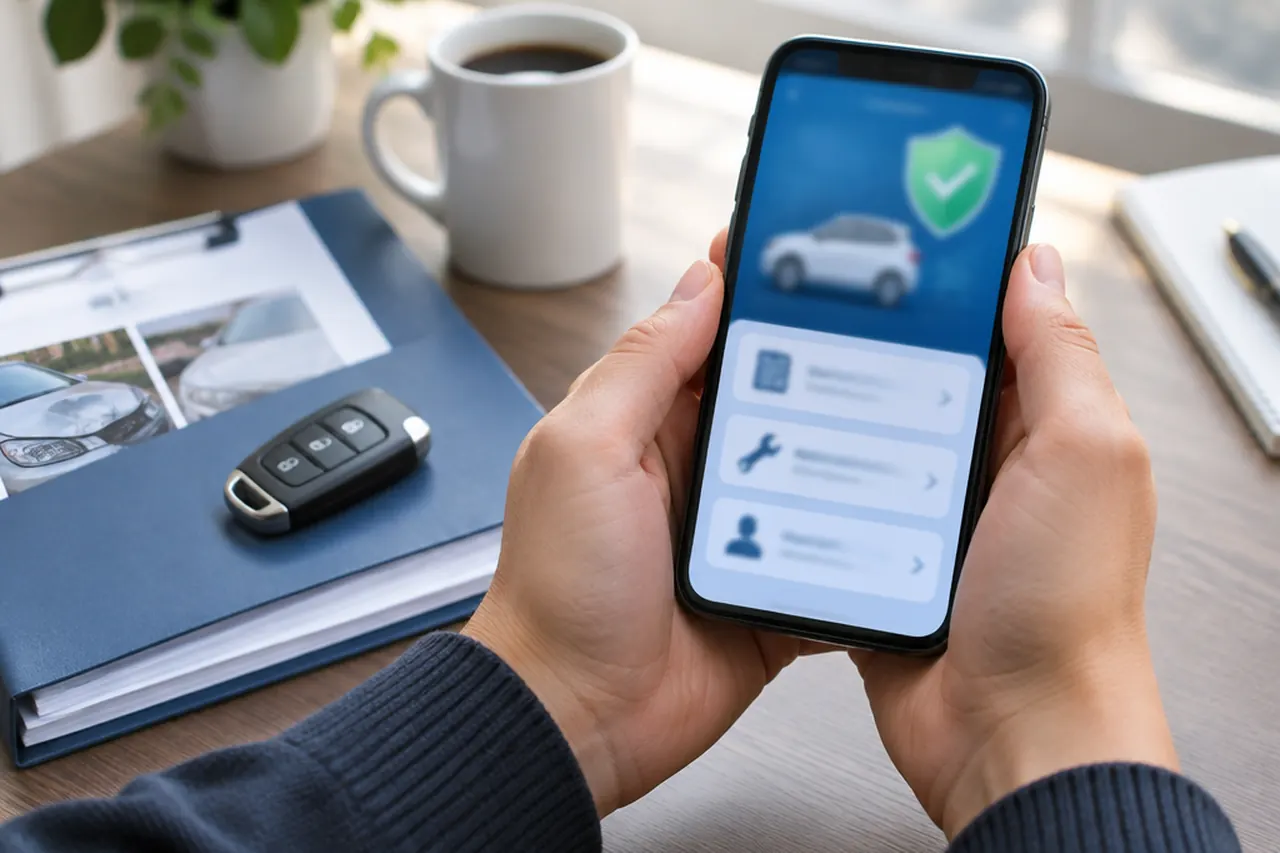
- Trip screenshots showing times, the driver's name and the vehicle.
- The receipt emailed after the ride.
- The driver's license, insurance card and plate.
- Photos of the cars, the scene and any rideshare signs.
- The names of other passengers and witnesses.
- The officer's name and report number. See our crash report guide.
Report the crash through the app too. Keep a copy of what you submit.
What the claims process looks like
Rideshare companies use large insurance carriers, and those adjusters handle many claims. They may contact you quickly. The usual cautions apply: think twice about recorded statements, hold off on any release until your injuries are clear, and copy everything. Our insurance claims guide and article on settlement timelines explain what to expect.
If the at-fault car carried no coverage
If an uninsured or hit-and-run driver hit the rideshare car, uninsured motorist coverage may come into play, either under the rideshare policy during a trip or under your own policy. Our uninsured driver guide explains it.
Late-night rides and longer trips
Rideshare trips around Texoma are not always short hops across town. Riders take longer trips to the airport in Dallas, to Lake Texoma or across the Red River. Longer trips at night bring more chance of a tired driver, a deer on a dark road or a drunk driver coming the other way.
If a crash happens in Oklahoma, different state rules may apply, and the coverage questions can get more complicated. If it happens in Texas, Texas law generally governs, even when one driver lives in Oklahoma. Either way, save every trip detail the app gives you.
Food delivery and other app drivers
People also drive for food and package delivery apps. These drivers may or may not be covered by the same Texas rideshare insurance rules, which were written for passenger rides. Coverage depends on the company and the driver's own policy. If a delivery driver hit you, ask which app they were driving for, photograph any signs or bags in the car, and tell your insurer. The questions about who pays may take a little longer to answer, which is one more reason to keep good records from the start.
Reporting to the rideshare company
Both Uber and Lyft let riders and drivers report a crash through the app or the company website. File it soon, keep to the facts and save what you submit. The company may forward the report to its insurer, which will then open a claim. If you hear nothing within a reasonable time, follow up in writing and ask for the name of the insurance company and the claim number.
Taking care of yourself
Passengers often ride in the back seat without thinking about belts, and side impacts at intersections are common. Get checked out, especially for neck, back and head injuries. Our car accident injuries guide explains how to keep good records.
Hurt in a Sherman-area Uber or Lyft wreck? Our free case review is a quick way to reach an independent Texas attorney. You can also call (903) 357-5775.
Sources
Questions & answers
How much insurance does Uber or Lyft carry in Texas?
Texas law generally requires at least $1 million in liability coverage from the time a ride is accepted until the passenger gets out, and 50/100/25 when the app is on but no ride is accepted.
What if the rideshare driver's app was off?
Then the driver's personal auto policy is generally the main coverage, just like any other driver.
My rideshare car was hit by someone else. Can I still claim?
Yes. Yes. You may claim on the other driver's coverage, and the rideshare policy may also come into play depending on the facts.
Related