Here's the short version.
- Work zone crashes can involve a careless driver, a contractor's poor setup, a construction vehicle, or a road agency.
- Large semiconductor plant construction in Sherman brings heavy trucks, new commuters and changing traffic patterns.
- If TxDOT, the county or the city may share blame, written notice may be due in six months or less.
- Photograph signs, cones, barriers and contractor names before the zone changes.
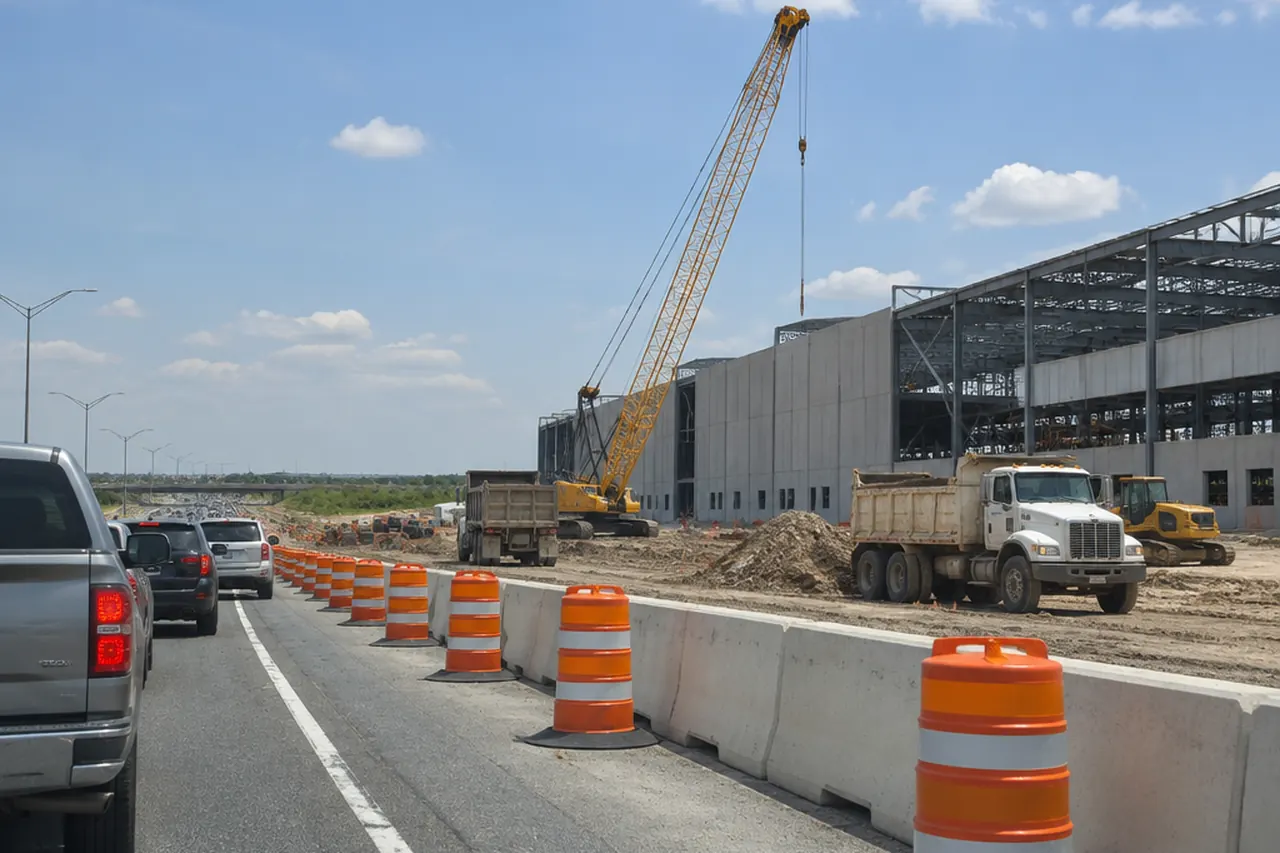
If you drive in Sherman, you have seen it. Big semiconductor manufacturing projects, including Texas Instruments and GlobiTech sites, have brought cranes, concrete trucks, dump trucks and thousands of new trips to the roads around them. Add highway projects on US-75 and road widening on the growing west side, and a lot of daily driving now happens inside a work zone. That raises some unique questions after a crash.
What makes work zones risky
- Sudden lane shifts and closures that move overnight.
- Narrow lanes with concrete barriers and no shoulder.
- Heavy vehicles pulling in and out of job sites, often slowly.
- Fresh pavement edges, loose gravel and steel plates on the road.
- Poor or missing signs, especially at night.
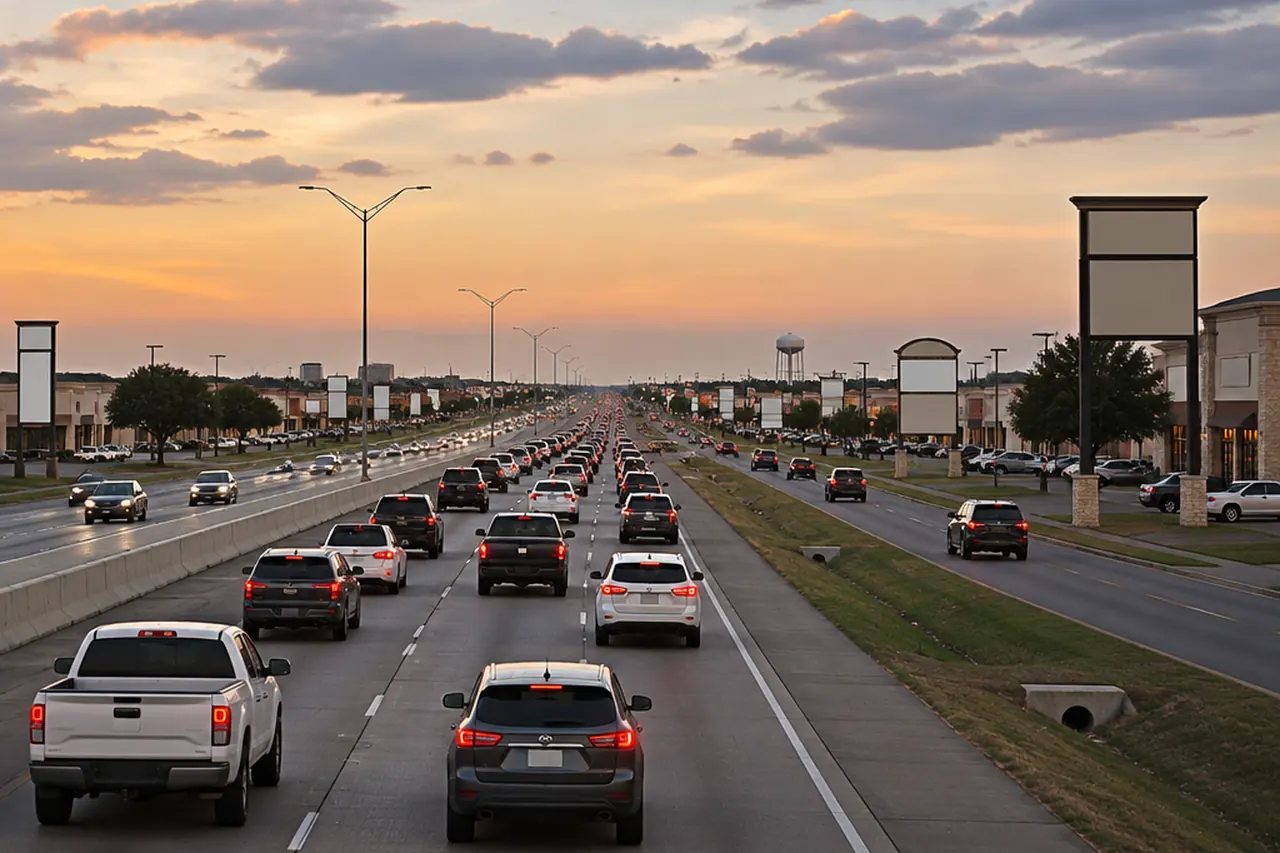
- Stop-and-go traffic at shift change, when lots of workers arrive or leave at once.
Texas doubles fines in marked work zones when workers are present, yet some drivers still speed or stare at a phone.
Who may be responsible
Other drivers
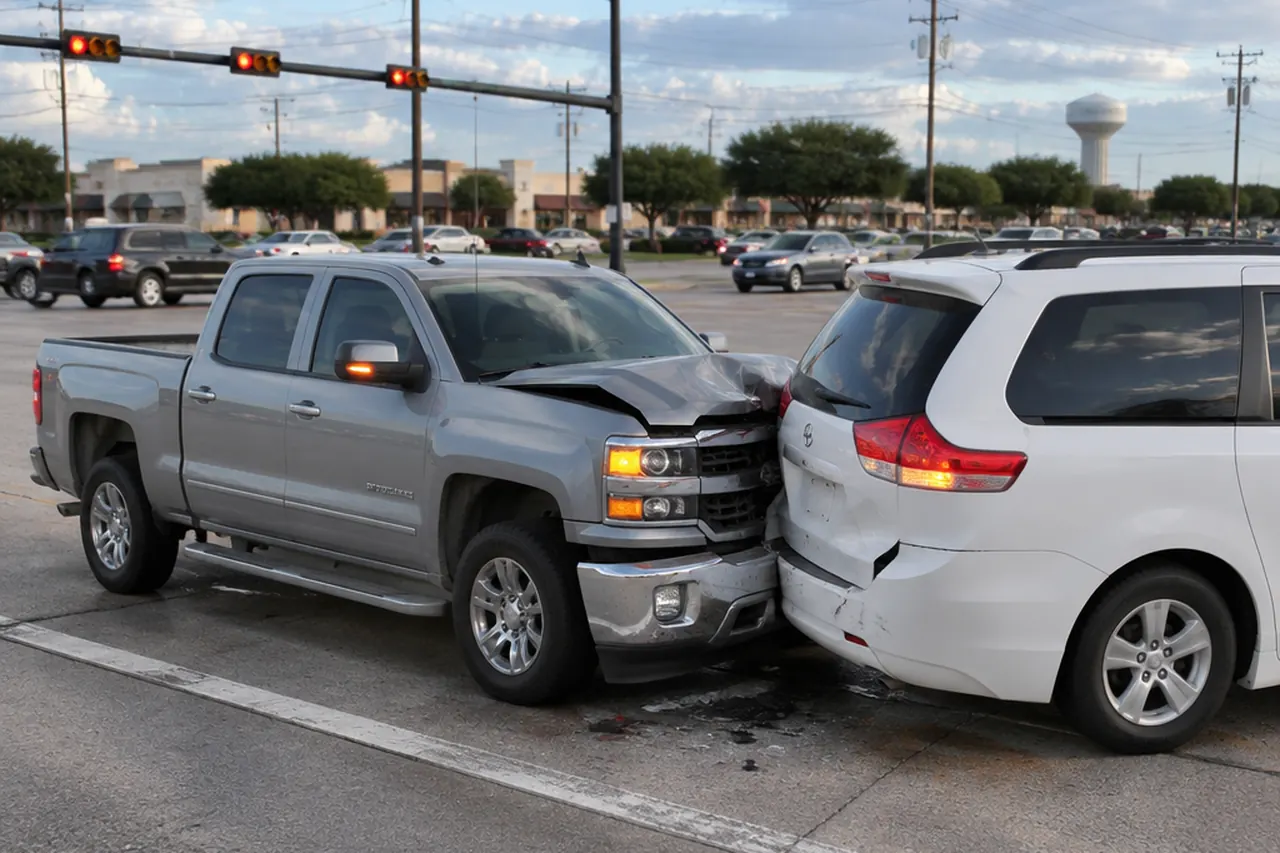
Speeding, tailgating, texting and unsafe lane changes are common causes. Rear-end crashes are frequent in work zone backups. See our rear-end collision page.
Construction and hauling companies
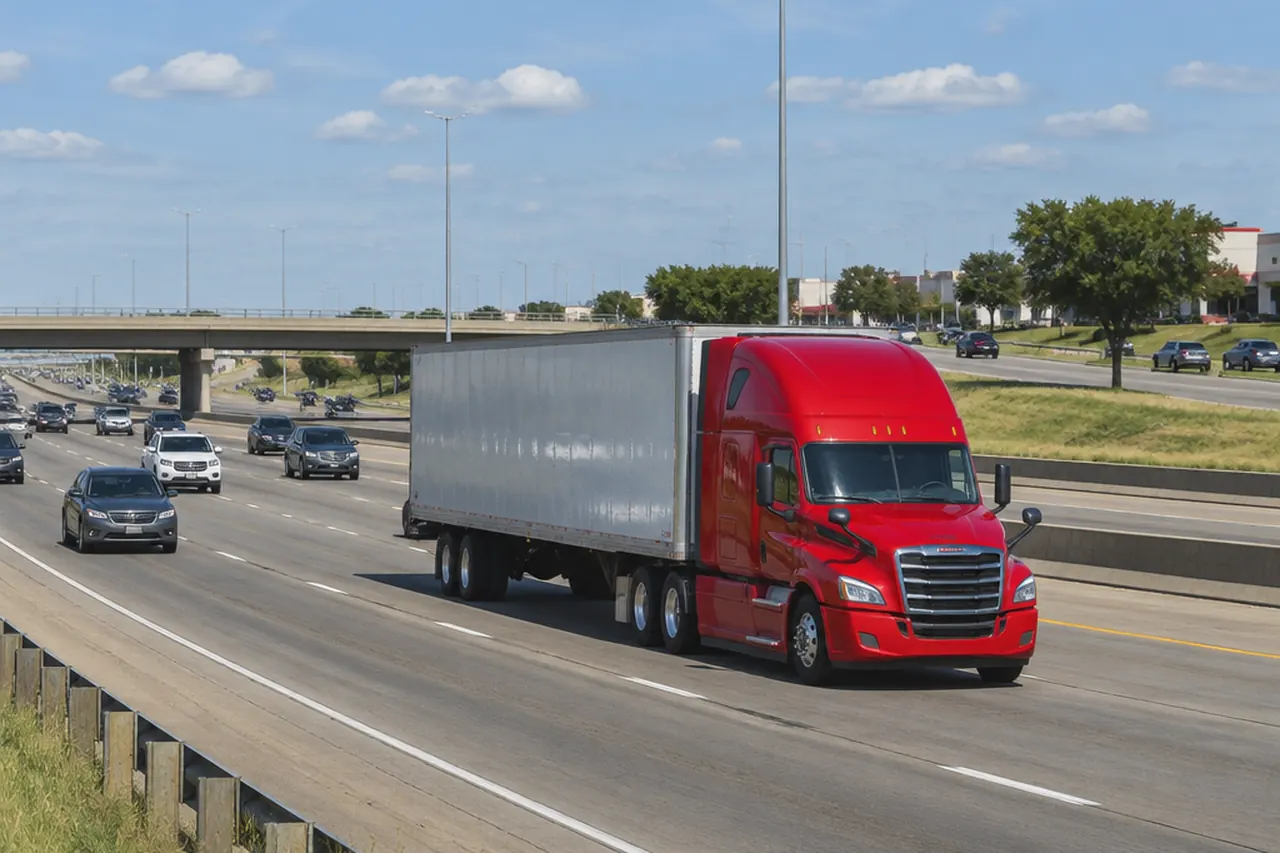
A dump truck or concrete mixer driver may cause a wreck the same way any driver can, and the company may be responsible for drivers on the job. See our truck accident page.
Contractors who set up the work zone
Contractors are generally expected to follow approved traffic control plans: sign placement, lane tapers, barriers, flaggers and lighting. When a contractor ignores the plan, leaves debris or a drop-off, or forgets to remove old signs, that may support a claim. Texas law can give some protection to a road contractor that followed the plans a government agency approved, so the details of the plan often matter a lot.
Government agencies
TxDOT handles state highways, and the city or county may handle local roads. A claim against a government agency is limited by the Texas Tort Claims Act, which caps damages and allows claims only in certain situations, such as some road defects the agency knew about.
Government notice deadlines
This is where people lose claims. If TxDOT, Grayson County, the City of Sherman or another public body may share responsibility, you generally have six months after the crash to give written notice. The notice usually needs to describe the injury, the damage, and when and where it happened. Some city charters set an even shorter deadline. The regular two-year deadline to file a lawsuit still applies to the drivers and private contractors involved.
Our rundown of Texas crash law goes further.
Evidence to grab quickly
Work zones change, sometimes daily. What the road looked like the day of your wreck may be gone in a week. If you can:
- Photograph every sign, cone, barrel, barrier and arrow board from the direction you were driving.
- Note the contractor names on trucks, equipment and signs.
- Photograph lane markings, pavement drop-offs, gravel and any steel plates.
- Get names of flaggers or workers who saw it.
- Ask nearby businesses whether they have camera footage.
If you were working in the zone
Construction workers hurt by a passing driver may have both a workers' compensation claim and a claim against the driver. Some Texas employers do not carry workers' compensation, which changes the options. Our article on construction traffic around the Sherman fab sites covers the commuting side of this.
New roads, new commuters
Growth changes traffic in ways that go beyond orange cones. New workers who are still learning local roads may take turns late or miss a lane closure. Shift changes can send a wave of cars onto a road at once. New entrances to job sites may not be where drivers expect, and temporary signals can confuse people who drive the same route every day.
If you were hit by someone driving to or from a job site, the usual questions apply: Were they speeding, distracted or following too closely? Were they on the clock in a company vehicle? A worker commuting in a personal car is usually covered by their own auto policy. A worker driving a company truck as part of the job may bring the employer's coverage into the claim.
Keep in mind that work zones on the west side of town, around FM 1417 and SH-289, and on US-75 may change from week to week. A photo from the day of the crash may be the only record of how the lanes were set up.
Flaggers, pilot cars and lane closures
On two-lane roads, crews sometimes close one lane and use a flagger or a pilot car to lead traffic through. If a flagger waved you forward into oncoming traffic, or a pilot car stopped without warning, write down the time and what you saw. Those moments are often the heart of who was careless.
For a nighttime wreck, record whether the zone had lights, reflective barrels and lit arrow boards, and whether any of them were knocked down or not working.
After a work zone crash
- Dial 911 and get checked out.
- Document the scene before it changes.
- Get the crash report. See our crash report guide.
- Write down the date so you can track any six-month notice deadline.
- Consider talking to an attorney soon, especially if a government agency may be involved.
Reach an independent Texas attorney through our free case review, or call (903) 357-5775.
Sources
- Texas Civil Practice & Remedies Code, ch. 101 — Texas Tort Claims Act
- Texas Transportation Code, ch. 545 — operation and movement of vehicles
- Texas Civil Practice & Remedies Code, ch. 16 — limitations
- Texas Labor Code, ch. 406 — workers' compensation coverage
- Texas Civil Practice & Remedies Code, ch. 33 — proportionate responsibility
Questions & answers
Can I sue TxDOT for a crash in a work zone?
Sometimes, in limited situations allowed by the Texas Tort Claims Act. Damages are capped and written notice is generally due within six months, so these claims need quick attention.
Is a construction contractor responsible for a confusing work zone?
It may be, especially if it did not follow the approved traffic control plan. Contractors who followed the approved plans may have some legal protection, so the plan itself often matters.
Are fines higher in Texas work zones?
Yes. Texas doubles fines in marked work zones when workers are present.
Related