Here's the short version.
- Texas makes drivers leave enough room to stop, so the car in back usually takes the blame.
- Often is not always. Sudden lane changes, broken brake lights and chain reactions can shift blame.
- Neck and back pain is common and can wait a day or two to appear.
- Insurers often dispute low-speed injury claims, so medical records matter.
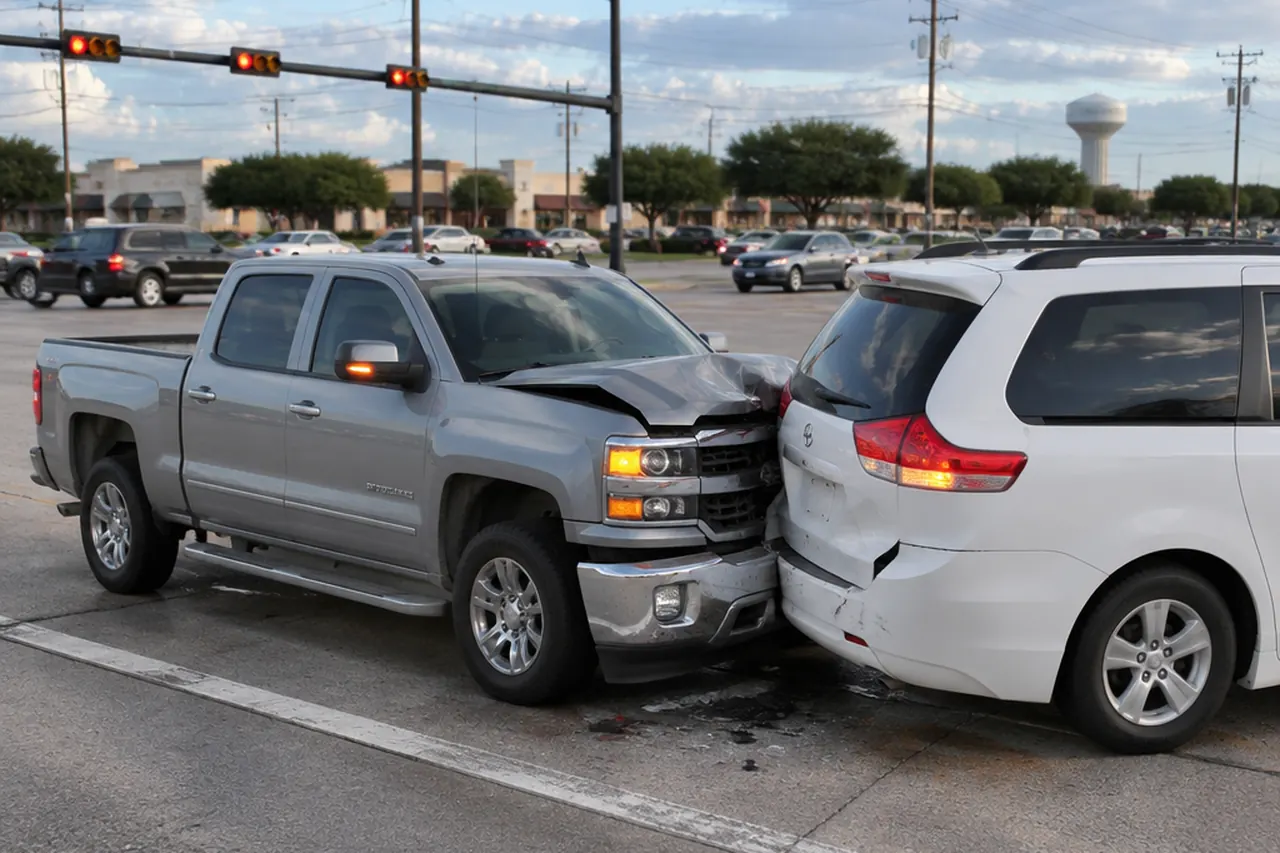
Think about the morning slowdown on US-75 heading toward Collin County, the stop-and-go on Texoma Parkway, or a red light at Lamar Street. One driver glances at a phone, and boom. Rear-end crashes happen all day in Sherman. Most involve no one at fault but the person behind, though the details still matter.
Who is usually at fault
State law makes drivers leave enough gap to stop safely for the speed, traffic and road. When someone hits you from behind, that rule is often the starting point. Common causes include:
- Texting or looking at a phone, which is against Texas law while driving.
- Following too closely in heavy traffic.
- Speeding into a backup, especially in work zones or at the bottom of an overpass.
- Driving drowsy or impaired.
- Bald tires or bad brakes on wet roads after a spring storm.
When blame can shift
The front driver is not automatically blameless. Fault may be shared when:
- A driver cuts in and slams on the brakes.
- Brake lights do not work.
- A driver stops suddenly for no reason, or reverses.
- A chain reaction pushes one car into another.
Texas's proportionate responsibility rule then divides fault by percentage. At 50 percent or less, you can generally still recover, minus your share. See our Texas car accident laws page.
Pileups and chain reactions
On a busy freeway, one rear-end hit can push several cars together. Sorting out who hit whom, and when, often depends on damage patterns, photos and witnesses. If you were in the middle, you may have claims against the driver behind you and possibly others. Take photos of every car in the line if you safely can.
Common rear-end injuries
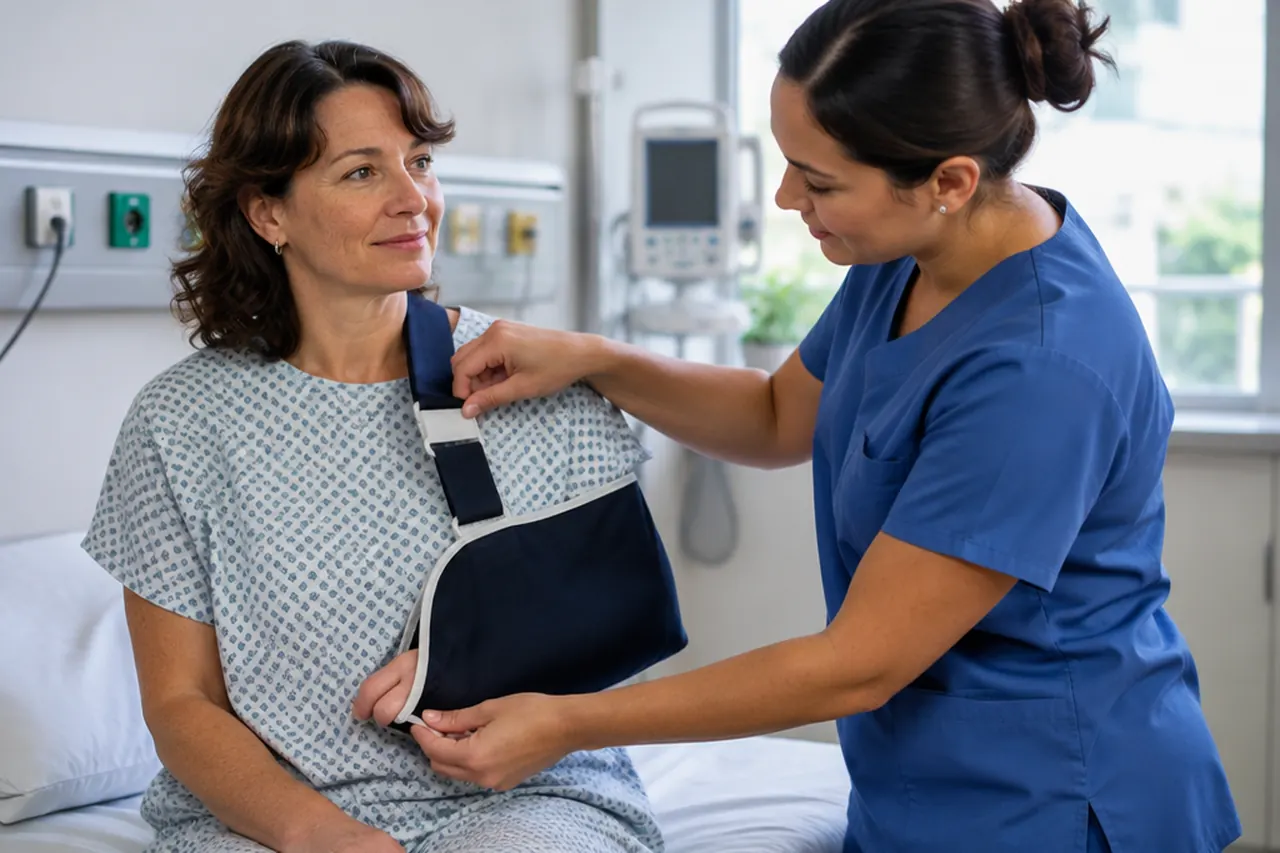
Even at low speed, a rear impact can whip your head forward and back. People often report:
- Neck pain and stiffness (whiplash).
- Headaches and concussion symptoms.
- Back pain and disc injuries.
- Shoulder and wrist injuries from bracing on the wheel.
Symptoms can start the next morning. Get checked out and tell your provider about the crash. Our car accident injuries guide explains why records matter.
Why low-speed claims get pushback
Insurers sometimes argue that light bumper damage means nobody could have been hurt. Bodies and bumpers are different things. A bumper is built to absorb a tap and bounce back. Your neck is not. To counter this argument:
- See a doctor early and keep going to appointments.
- Photograph both cars, including under the bumper if there is hidden damage.
- Keep the body shop estimate. Damage behind the bumper cover can be more than it looks.
- Write down how the pain affects work, sleep and daily life.
Insurance after a rear-end crash
The driver in back and their liability coverage usually carry the main load. While that claim is handled, your PIP may help with medical bills and lost pay regardless of fault, and your collision coverage can fix your car. Our insurance claims guide covers adjuster tactics, and our article on recorded statements explains why to be careful.
Rear-end crashes in work zones
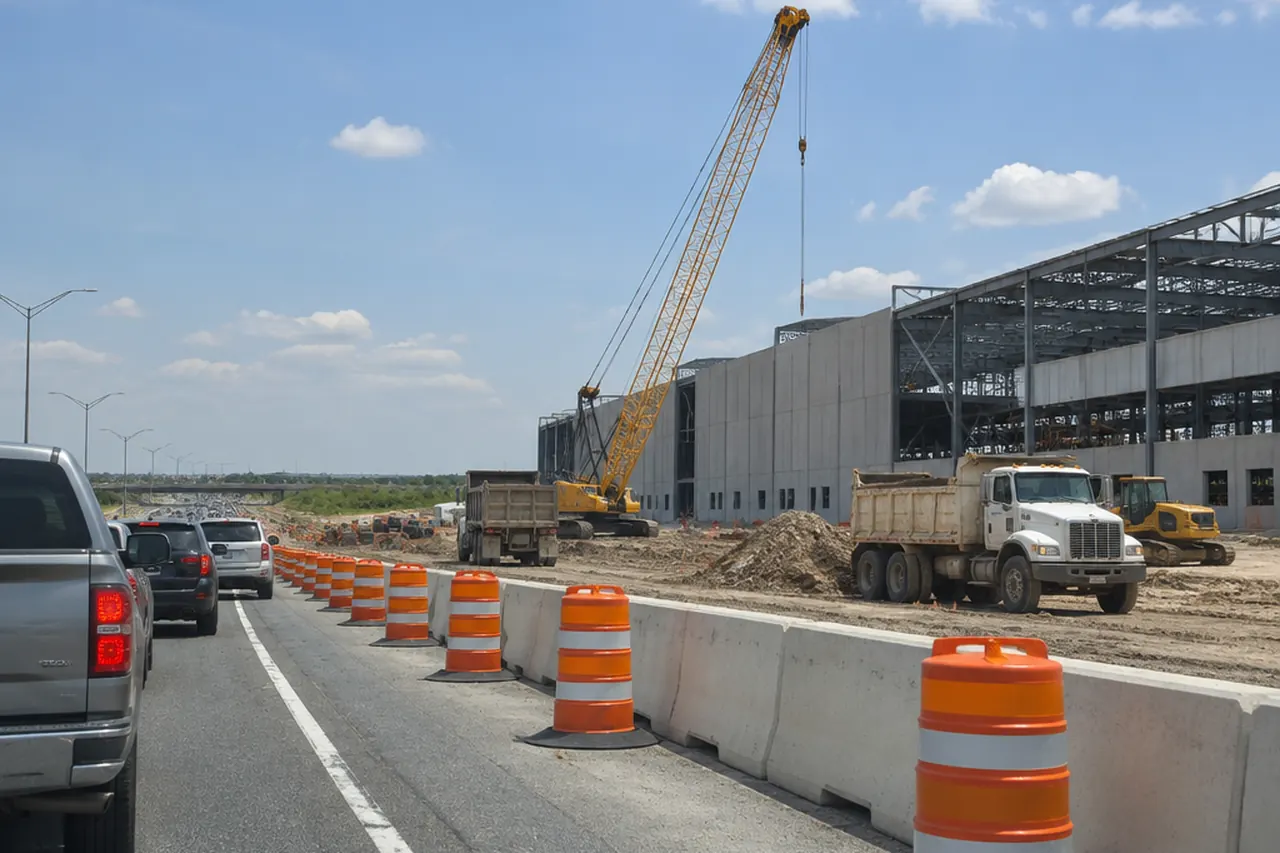
With all the construction around Sherman, traffic often stops suddenly where lanes shift or close. Those backups are a classic setting for rear-end wrecks. See our construction zone accidents page if yours happened in one.
When a truck or trailer is involved
A rear-end hit from a pickup towing a trailer, a dump truck or an 18-wheeler is a different situation. Heavy vehicles take much longer to stop, so following distance matters even more, and the force of the impact is far greater. Injuries tend to be more serious.
If you were rear-ended by a commercial vehicle, the company may be responsible for its driver, and there may be records like electronic logs and engine data that show speed and braking. Our truck accident page explains more.
On the other side, if you rear-ended a trailer that had no working lights, or a slow-moving farm vehicle with no warning sign at night, the other driver may share some of the blame. Photograph the back of the other vehicle, including lights, reflectors and any signs.
If kids were in the car
Children in the back seat often take a rear-end impact differently than adults. Have them checked by a doctor, even if they seem fine. Car seats involved in a crash may need to be replaced, so check the seat maker's instructions and save the receipt for a new one.
Dash cams and phone records
More drivers around Sherman now run dash cameras, and the footage can settle a rear-end dispute fast. If you have one, save the clip right away, since many cameras record over themselves. Ask other drivers who stopped whether theirs were running. When distraction is suspected, phone records may later show whether the other driver was texting or on a call at the moment of impact, though getting those records usually requires a formal legal request.
What to do next
- Get the other driver's information and photos of both cars.
- Get a medical exam within 48 hours.
- Order the crash report when it posts.
- Do not accept a quick offer before you know how badly you are hurt.
Questions about your situation? Reach an independent Texas attorney through our free case review, or call (903) 357-5775.
Sources
Questions & answers
Is the driver in the back always at fault?
Not always, though often. Texas requires a safe following distance, but sudden cut-ins, broken brake lights or a chain reaction can shift some of the blame.
Can a slow bump really injure me?
Yes. Yes. Your spine can take a hit even when the bumper barely shows it. Getting checked out and keeping records helps show what happened to you.
Who pays if I was pushed into the car ahead?
Generally, the driver who started the chain reaction may be responsible for the damage they caused, though fault can be shared among several drivers.
Related