Here's the short version: crashes near big construction projects can involve the other driver, a trucking company, a contractor or a government road agency, sometimes all at once. Claims against a government body come with short notice deadlines, so act early and keep every record.
Sherman has become home to large semiconductor manufacturing projects, including work by Texas Instruments and GlobiTech. Building on that scale brings more than cranes on the skyline. It brings concrete trucks, flatbeds hauling steel, gravel haulers and a wave of new workers who are still learning the roads. Corridors like US-75, FM 1417 (Heritage Parkway) and SH-56 feel it the most.
What changes when roads are under construction
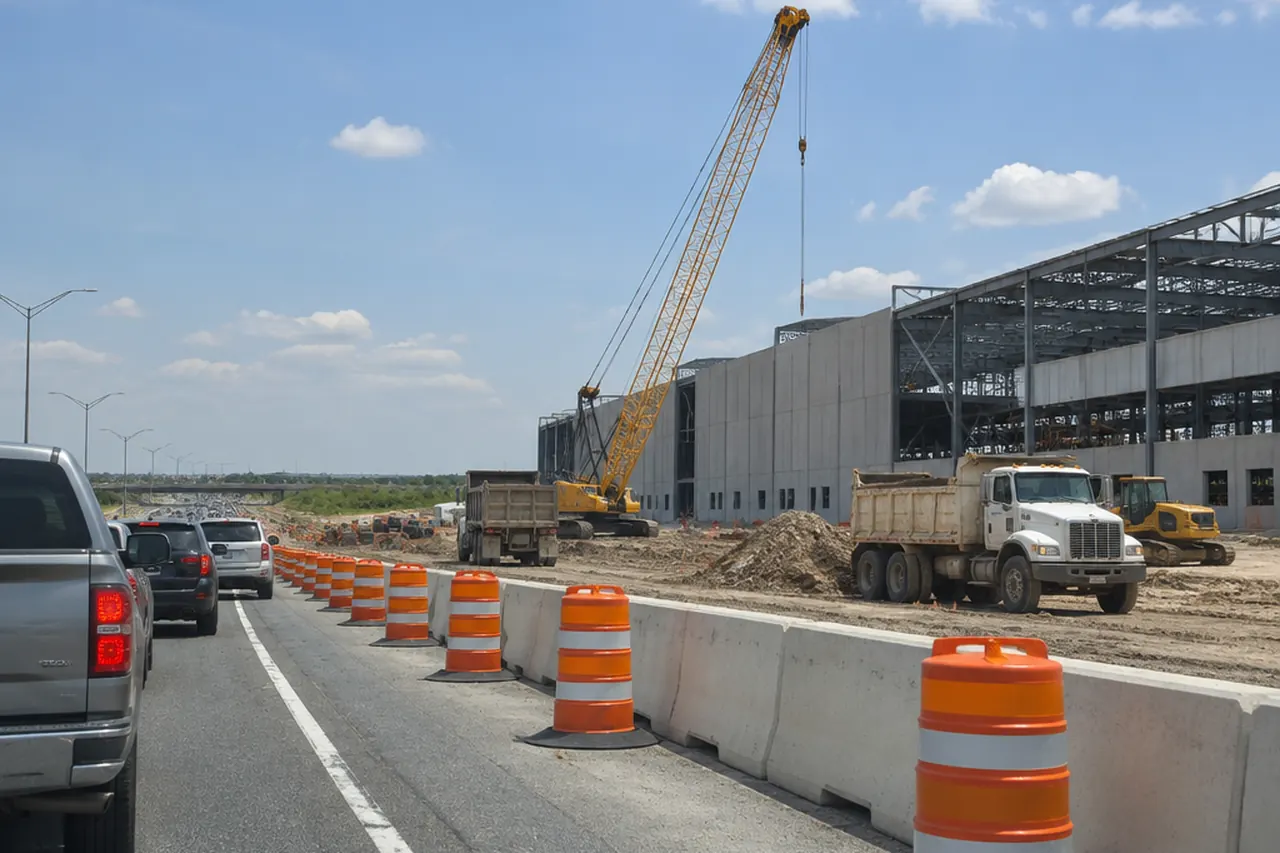
Work zones are built to move traffic around a project, but they ask a lot of drivers. Common trouble spots include:
- Shifted or narrowed lanes that leave less room for error, especially beside concrete barriers.
- Sudden slowdowns where a lane closes or a flagger stops traffic.
- Old lane markings still showing under new ones, which confuse drivers at night or in rain.
- Trucks entering and leaving job sites at slow speed, often across lanes of traffic.
- Loose gravel and mud tracked onto the road, which can affect braking.
Texas doubles fines in marked work zones when workers are present. That tells you how seriously the state takes driving through them. For more, see our construction zone crash page.
Heavy trucks and the companies behind them
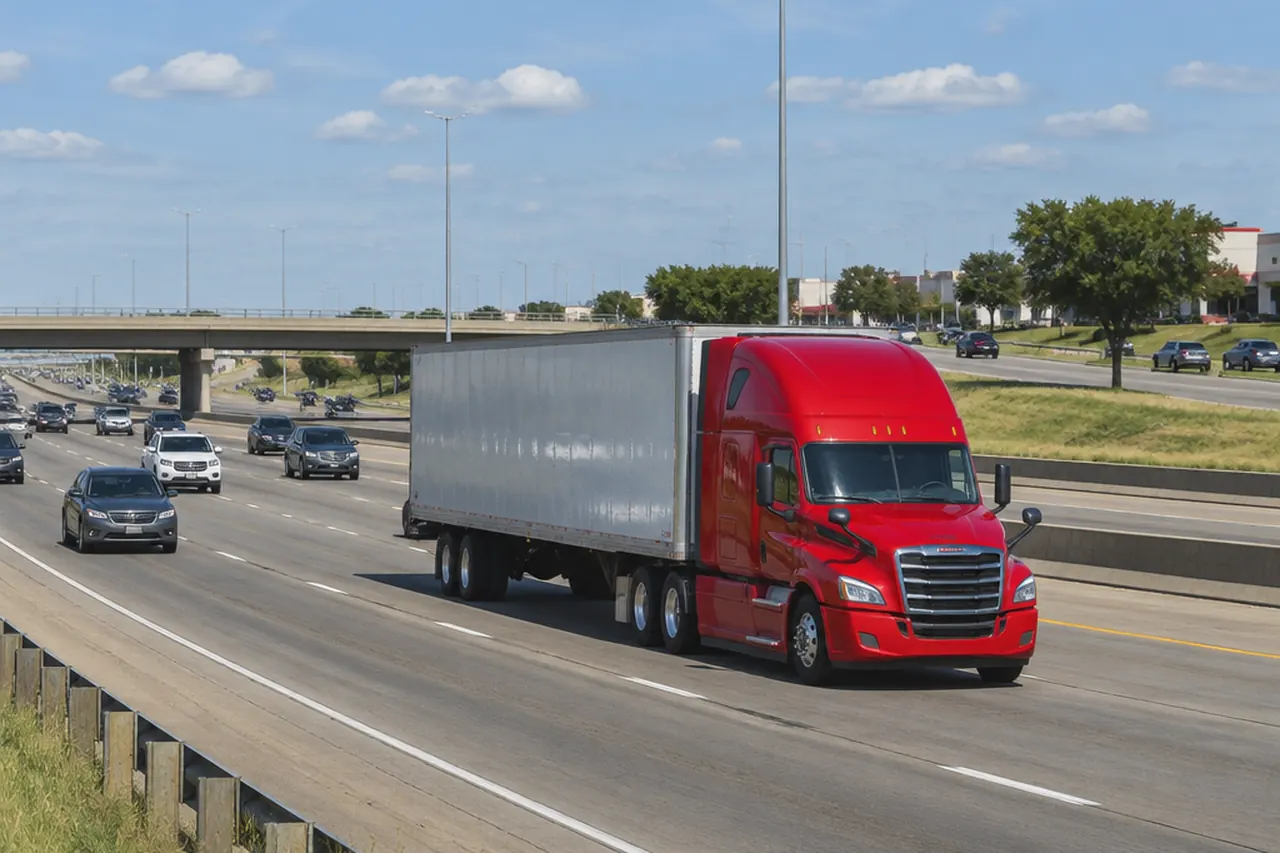
Many trucks serving a big site are run by trucking companies or subcontractors, not by the builder itself. When one of those trucks causes a crash, the claim may reach:
- the driver,
- the outfit that hired the driver or holds title to the truck,
- whoever packed the load, if cargo shifted or spilled, and
- a maintenance shop, if brakes or tires failed.
Federal hours-of-service rules cap how long a commercial driver may stay behind the wheel. Logs, GPS data and dispatch records can show whether a driver was pushed too hard. Those records may not stick around unless someone requests them, which is one reason truck cases move on a faster track. Our truck accident page goes deeper.
When the contractor may share blame
Contractors who set up a work zone are expected to follow the traffic control plan: proper signs, cones, barrels, lighting and safe lane shifts. A claim against a contractor may come up when:
- warning signs were missing or placed too close to the hazard,
- a drop-off at the edge of the pavement was left unmarked,
- equipment or materials were left in a live lane, or
- a flagger gave confusing or unsafe signals.
Contractors working on public roads sometimes raise defenses of their own, such as following a plan the government approved. These cases often turn on documents, so photos of the signs and the layout as they looked that day can matter a great deal.
The deadline people miss
Some roads near the projects are city streets, some are county roads and some are state highways. If a city, county or state agency may share responsibility, the Texas Tort Claims Act generally calls for written notice no later than six months after the wreck. Some cities set even shorter notice deadlines in their charters. Damages against government bodies are also capped.
That is much shorter than the usual two-year deadline for a lawsuit. If road design, a missing sign or a government vehicle may be part of your story, do not wait.
New commuters, new habits
Growth means many drivers on Sherman roads are newcomers who rely on GPS and make late lane changes or sudden turns. Shift changes can send a burst of cars out of a site at once. Watch for:
- drivers braking hard to catch a missed turn,
- left turns across busy lanes into site entrances, and
- heavy traffic at the start and end of work shifts.
If you are hurt in one of these crashes
- Get medical care. Wilson N. Jones Regional Medical Center in Sherman and Texoma Medical Center in Denison serve the area.
- Photograph the work zone: signs, cones, lane markings and any truck markings or company names.
- Write down any DOT number or company name on a truck door.
- Get the crash report number.
- Talk to an attorney before the six-month notice window closes if a government road may be involved.
To have a Texas injury lawyer, independent of this site, look over what happened, ring (903) 357-5775 or send it in through the case review page. See also FM 1417 (Heritage Parkway).
Sources
- Texas Civil Practice & Remedies Code, ch. 101 — Texas Tort Claims Act
- Texas Transportation Code, ch. 545 — operation and movement of vehicles
- 49 C.F.R. Part 395 — hours of service of drivers
- Texas Civil Practice & Remedies Code, ch. 33 — proportionate responsibility
- Texas Civil Practice & Remedies Code, ch. 16 — limitations
Questions & answers
Is a construction company ever liable for a work zone wreck?
Possibly. If a contractor set up the work zone unsafely, left hazards in the road or failed to post proper warnings, it may share responsibility. These claims depend heavily on evidence of how the zone looked that day.
How long do I have if a government road agency is involved?
The Texas Tort Claims Act generally wants written notice no more than six months after the wreck, and a city charter may demand it sooner. That clock runs separately from the two-year window for filing suit.
Who pays if a construction truck hit me?
Often the trucking company or subcontractor that owns or runs the truck carries the insurance. The driver, the company and others in the chain may share responsibility.
Related