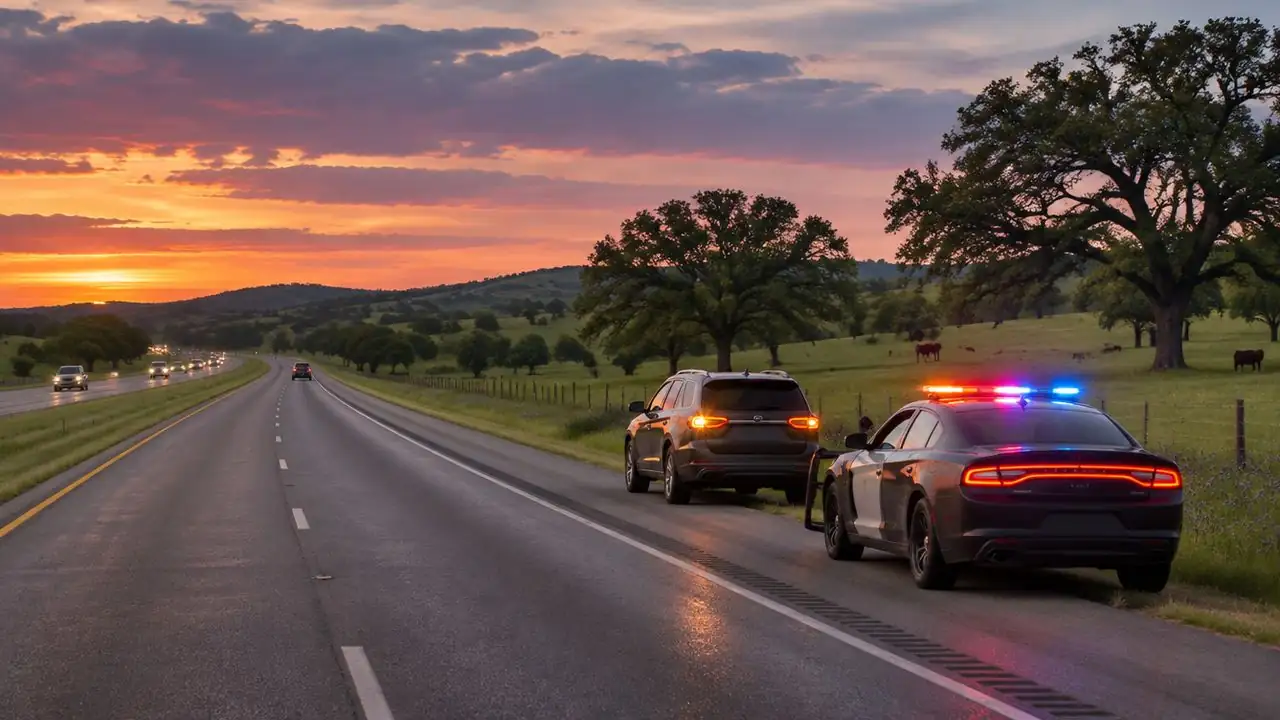
Here's the short version: Texas law expects police to hear about any crash that hurts or kills someone or leaves a car undrivable. If no report was made, you can still make a claim, but you need to collect the facts yourself, quickly, before they fade.
It happens more than people think. A fender bender in a parking lot off Texoma Parkway, both drivers shaken but standing. The other driver says, "Let's keep insurance out of it," and hands you a phone number. You head home. The next morning your neck will not turn and that phone number goes to voicemail.
When Texas requires a report
Under Texas law, a driver in a crash must notify police right away when it causes:
- an injury,
- a death, or
- damage bad enough that a car can no longer be driven normally.
Drivers also have to stop, exchange names, addresses, insurance and vehicle information, and help anyone who is hurt. When officers investigate a crash that meets those rules, they generally file a written report. Inside Sherman, that is usually the Sherman Police Department. On highways and county roads, it is often the Grayson County Sheriff's Office or Texas DPS.
If you were hurt and no officer came, you can still call the police agency for the area and ask how to report it. Policies vary, so ask what they can do.
If the pain shows up later
Many crash injuries do not announce themselves at the scene. Adrenaline can mask whiplash, back strain and even a concussion. If symptoms start a day or two later:
- See a doctor now. Mention the wreck and the date it happened. That note in your chart links the injury to the wreck.
- Report the crash to your insurer. Most policies require prompt notice, injury or not.
- Notify the other driver's company and start a claim with whatever details you collected.
- Ask the police agency whether a report can still be made.
Our car accident injuries page lists symptoms that need urgent attention.
Make your own record, starting today
What makes a police report handy is that it collects the key facts in one document. Without one, you build that file yourself:
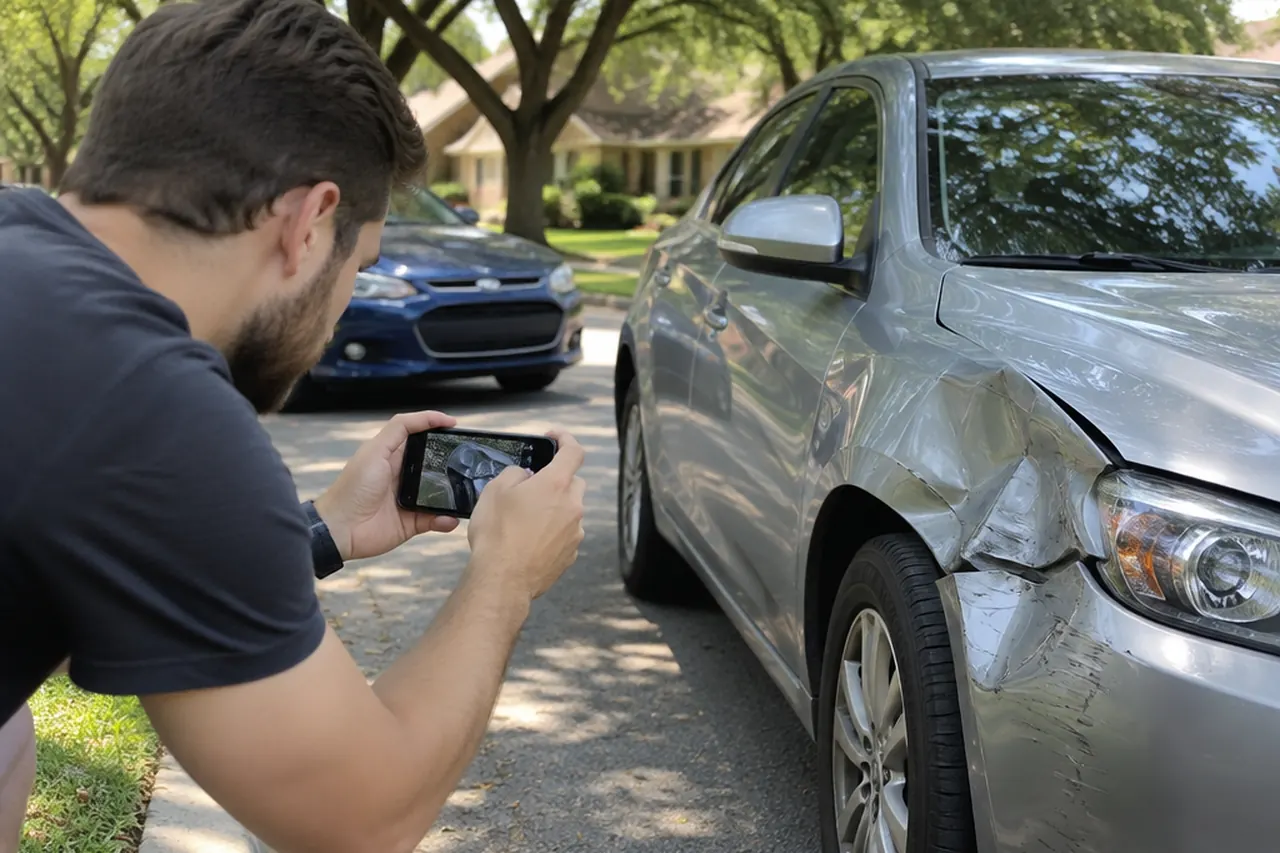
- Photos. Both cars, the damage, the road, signs and where it happened. Go back and photograph the location if you did not at the time.
- Write it down. Date, time, location, weather, each car's direction and anything the other driver told you. Do it while your memory is fresh.
- Witnesses. Anyone who saw it. Text them and ask them to write down what they saw.
- Video. Nearby stores, gas stations and homes may have cameras. Ask quickly, because many systems record over old footage.
- Repair records. Estimates and photos from the body shop help show how hard the impact was.
- Messages. Save every text or voicemail with the other driver, especially any that admit fault.
Why the first week counts
Every day without a report, the trail gets colder. Skid marks wash away in the next Texoma thunderstorm. Store cameras loop over. Witnesses forget which car had the green light. The other driver's story can shift once their insurer gets involved. You do not have to solve your whole claim this week, but grabbing the evidence now keeps your options open. A short folder with photos, names, receipts and your written account is often enough to get started.
Yes, a claim can still go forward
Insurance companies handle claims without police reports all the time. A report helps prove a claim; it is not a ticket you need in order to file one. What matters is whether you can show what happened and that it caused your injuries. Your photos, records, witnesses and medical chart do that work.
Without a report, fault can turn into a he-said, she-said fight. That is one more reason to gather evidence early and to watch your words with the other driver's adjuster. See the recorded statement question before that call.
Why "let's settle it ourselves" goes wrong
Paying cash or promising to cover repairs outside insurance can seem easier. It often falls apart when:
- the repair costs more than either driver guessed,
- an injury shows up later,
- the other driver stops answering, or
- it turns out they had no insurance at all.
If the other driver vanished or was uninsured, your own uninsured motorist coverage may be an option. More on that is on our page for uninsured and runaway drivers.
Ring (903) 357-5775 to talk it through, or send the facts through our case review page.
Sources
Questions & answers
Can I file a police report after the accident?
Sometimes. Call the police agency where the crash happened and ask. Practices vary, but they can tell you whether they will take a report after the fact.
Can I get paid for my injuries without a police report?
Generally, yes. A police report helps, but a claim can be proved with photos, witnesses, medical records and other evidence.
Do I break the law by skipping a police report in Texas?
Possibly. Texas drivers must call police for a wreck that hurts or kills someone or leaves a car undrivable. A small scrape with no injuries and drivable cars may not need one.
Related