- Get your doctor's work restrictions in writing and share them with your employer.
- Lost wages are part of many injury claims, but you need records to prove them.
- If you were driving for work, workers' comp, a non-subscriber employer and the at-fault driver may all be part of the picture.
Sherman runs on people who work with their hands and people who drive for a living: construction crews, plant workers, nurses, delivery drivers and plenty more. After a wreck, the first question for many of them is not about insurance. It is "When can I go back?" Here is how to answer that without hurting yourself or your claim.
Let the doctor set the limits
Going back too soon is one of the most common ways people make an injury worse. It can also give an insurer an opening to argue you were never really hurt. Before you return:
- Ask your doctor directly whether you can work and, if so, what you cannot do.
- Get the answer in writing: lifting limits, hours, sitting or standing time, driving restrictions.
- Give a copy to your supervisor or HR and keep one for yourself.
- If the work goes past those limits, tell your doctor and your employer.
Writing it down protects you. A note in your chart that says "no lifting over a certain weight" carries more weight than "I told my boss my back hurt."
Proving what you lost
Lost earnings are often one of the clearest parts of an injury claim, but only with records. Start a folder with:
- paychecks covering the weeks before the wreck and after it,
- a letter from your employer showing your rate, usual hours and the days you missed,
- notes on vacation or sick time you had to use,
- doctor's notes that excuse you from work, and
- for self-employed people, invoices, canceled jobs and tax returns.
Lost overtime, a missed promotion or a shift to lower-paying light duty may count too. If the injury may affect your ability to earn in the future, that can also be part of a claim, usually with support from your doctors.
While you wait, your PIP coverage may replace part of your income no matter who caused the wreck.
Were you on the clock?
If the wreck happened while you were driving for your job, such as making deliveries, heading to a job site or running an errand for your boss, the picture changes. Texas stands apart here, because most private businesses get to decide whether to carry workers' compensation at all. That leaves two very different paths.
When the company carries workers' comp
In that case, the comp system generally covers medical care and a share of lost wages without anyone proving fault. The trade-off is that you usually give up the right to take your employer to court over negligence. Let your employer know about the injury fast, since comp has deadlines of its own.
When the company opted out
Texas calls these employers non-subscribers. If yours is one, a negligence lawsuit against the company may be possible, and the law strips away several defenses it might otherwise lean on. Some of these businesses offer a private injury plan instead, with its own rules and deadlines. Read any paperwork carefully before you sign it.
The other driver is still on the hook
Workers' comp does not let the at-fault driver off. When another driver caused the wreck, a separate third-party claim against that driver may exist, even while comp benefits are coming in. It can reach losses comp never covers, such as pain and suffering. The comp carrier may be entitled to reimbursement out of that recovery, which is one more reason to get advice about how the pieces fit together.
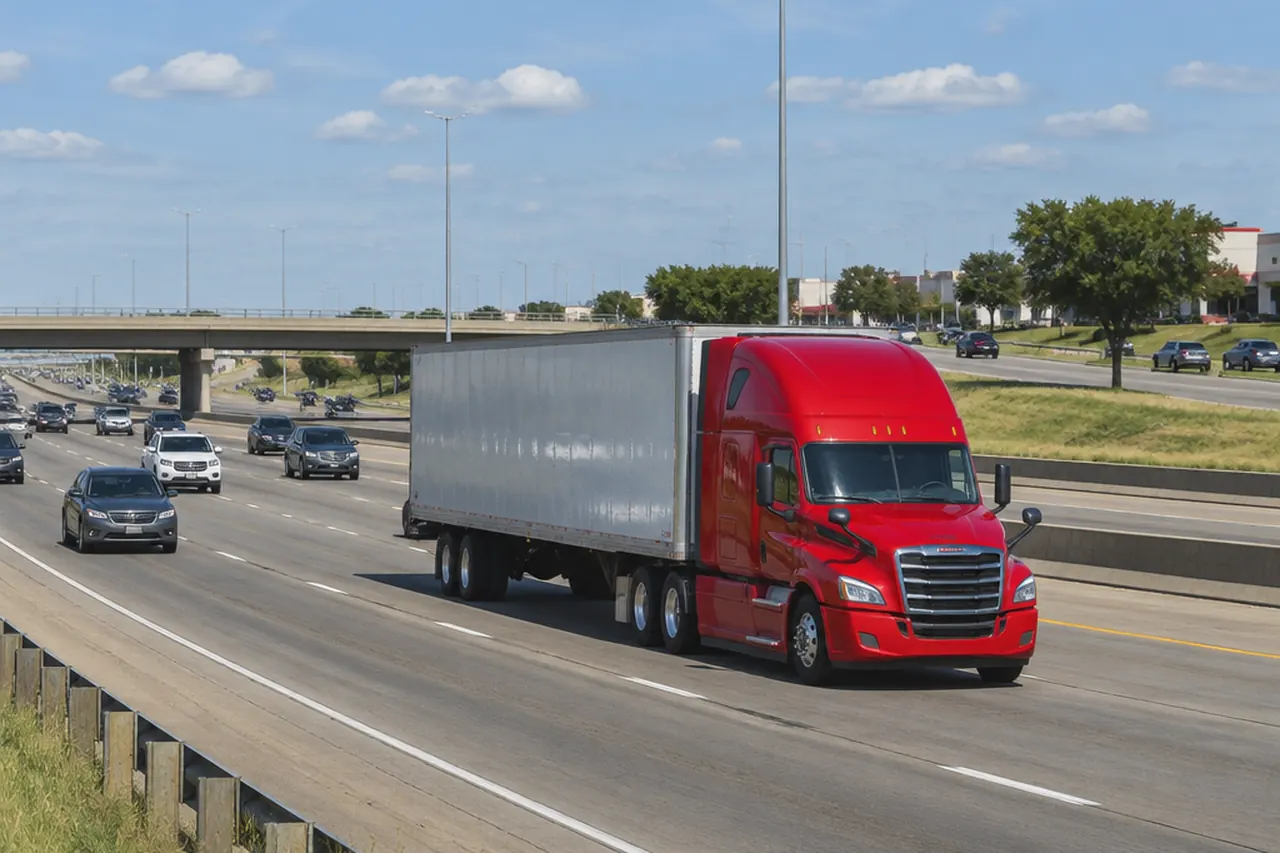
If the other driver was also working, such as a truck driver or a company car, their employer may share responsibility. See truck accidents.
Light duty, fewer hours or a new job
- Light duty: If your employer offers it within your restrictions, ask your doctor before you accept or turn it down.
- Reduced hours: Keep a record of the difference in pay.
- Losing the job: If you are let go or cannot return to the same work, keep copies of everything and get advice soon.
Our pages on car accident injuries and the settlement timeline help you plan for recovery. Questions about your job and your claim? Ring (903) 357-5775 or send them through our case review page to reach a Texas injury lawyer independent of this site.
Sources
Questions & answers
Can I get lost wages in a Texas car accident claim?
Often, yes. Lost earnings are a common part of an injury claim, but you will need records such as pay stubs, an employer letter and doctor's notes.
My company has no workers' comp. What then?
Texas lets most private employers skip it. If yours did, a negligence claim against the company may be an option, and it loses some defenses it would otherwise have.
Can I get workers' comp and also sue the other driver?
Generally, yes. Comp benefits do not let the at-fault driver off, though the comp carrier may expect reimbursement from that recovery.
Related