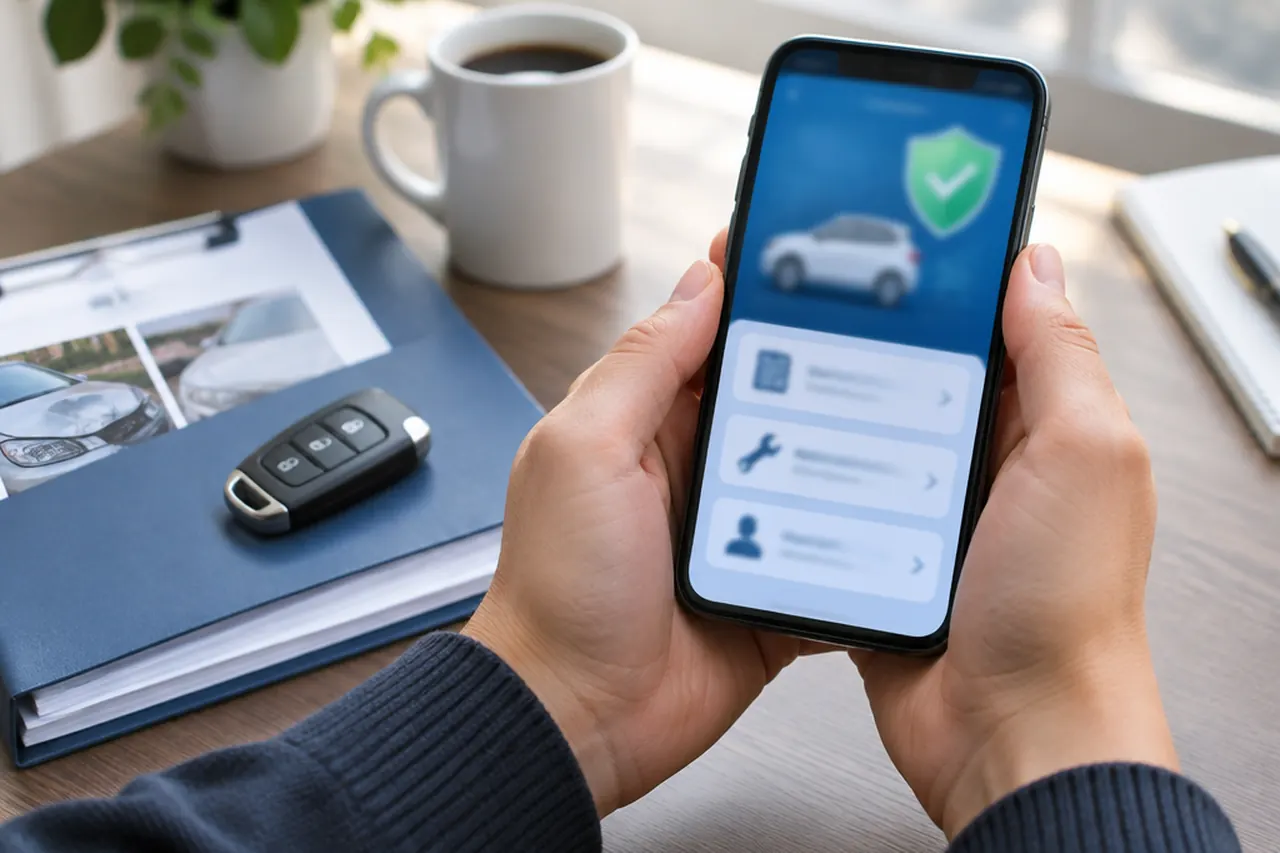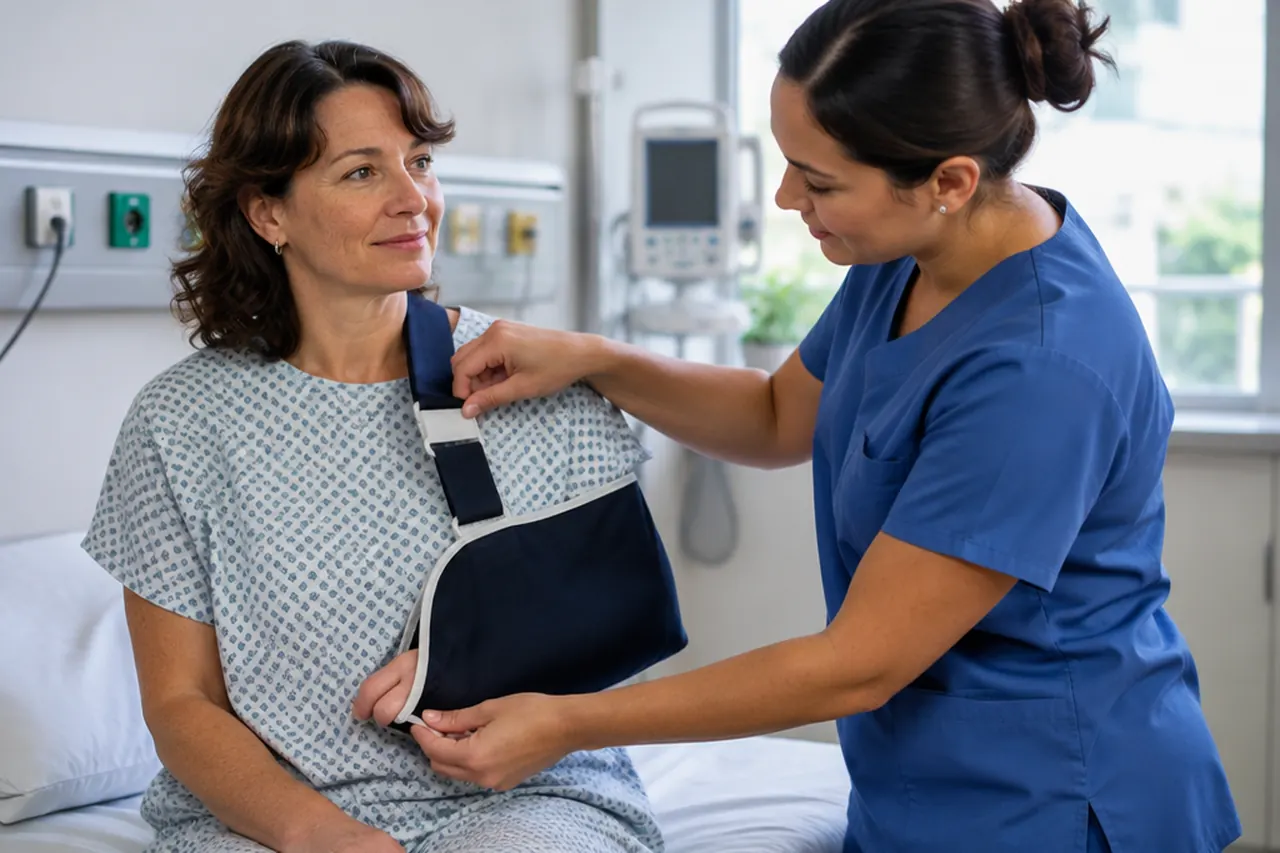
- What it is: a benefit in your own car insurance that can help with doctor bills and some missed pay.
- Fault does not matter: it generally pays no matter who caused the crash.
- You probably have it: it comes with every Texas policy, at $2,500 or more, unless someone signed it away.
- It is not the whole claim: using it does not stop you from pursuing the at-fault driver.
After a wreck, people tend to focus on the other driver's insurance. That makes sense, but that company has no reason to hurry, and it may take weeks to accept fault. Meanwhile the bills from the ER and the physical therapist show up in your mailbox. Personal injury protection, or PIP, exists to bridge that gap.
Step one: check whether you have it
Texas insurers have to build PIP into each auto policy they sell; it only drops out when the buyer signs a written rejection. The minimum is $2,500 per person, and many people buy more. To find out what you have:
- Look at your declarations page, the summary sheet that lists your coverages.
- Look for "Personal Injury Protection" or "PIP" and a dollar figure beside it.
- If it is missing, ask your agent whether a signed rejection is on file. If the company cannot show one, coverage may still apply.
What PIP can cover
PIP is aimed at the costs that hit first. Depending on your policy, it may help with:
- reasonable medical care after the crash, such as the ambulance, ER, doctor visits and therapy,
- a portion of the income you lose while you cannot work,
- help with household tasks you cannot do while you recover, if you are not earning an income, and
- funeral costs, up to the limit, in a fatal crash.
Two things PIP will not handle: repairs to your vehicle, and pain, suffering or other losses with no bill attached. Those belong to other parts of a claim.
Who rides under your PIP
PIP generally follows people, not just the car. It often covers:
- you and family members under your roof, whether you are in your own car or riding with someone else,
- passengers riding in your car, and
- you and household members hit as pedestrians.
So a college kid on mom and dad's policy, or someone catching a ride, may be able to draw PIP from two places at once.
Making the claim
PIP is a first-party claim, which means you are asking your own company to pay. A few steps help:
- Tell your company about the wreck right away; waiting can cause trouble under most policies.
- Complete the PIP application and mail or upload it back.
- Send medical bills and records, or sign authorizations so the company can get them.
- For missed pay, send recent paychecks and an employer statement of the days you were out.
- Keep copies and note the date you sent everything.
Texas prompt-payment rules set timelines for insurers handling first-party claims. When a claim just sits, send an email asking exactly what the adjuster still needs. If that goes nowhere, the Texas Department of Insurance runs a complaint process for consumers. More on handling your own company is in our guide to insurance claims.
How PIP fits with the bigger claim
Think of PIP as a down payment from your own side, not a settlement. You can generally use it and still go after the at-fault driver's liability coverage for the rest of your losses, including pain and suffering. Texas generally does not let your insurer take back the PIP it paid from your injury settlement, but your policy and situation matter, so ask an attorney to confirm.
One caution: if you settle with the other driver, read the release carefully. Make sure it does not sign away anything you still need. See how long a settlement takes for how the pieces fit in order.
Picture it this way
Say you are stopped at a light on Texoma Parkway and a pickup taps your bumper hard enough to wrench your neck. The other driver's company says it needs a few weeks to review fault. In the meantime, the ER bill and the first round of therapy arrive. If you carry PIP, you can send those bills to your own company now instead of waiting. When the injury claim against the pickup driver resolves later, it covers the rest of your losses, and PIP has already kept the collection calls away.
If PIP was turned down
Signed the rejection? Then bills usually land on health insurance, on med-pay if your policy has it, and in the end on the liability policy of whoever caused the wreck. If that person carried nothing, look at the uninsured motorist part of your own coverage, explained on our page about uninsured drivers and hit-and-runs.
Not sure what your policy holds? Ring (903) 357-5775 and a Texas injury lawyer, independent of this site, can go through it with you line by line.
Sources
Questions & answers
Do I have to be not at fault to use PIP in Texas?
No. Fault is not part of the PIP question, which is a big part of what makes it useful.
Will using PIP raise my rates?
Each company prices its policies its own way. Your agent can tell you how a PIP claim is treated at renewal time.
Does PIP cover my passengers?
Often, yes. People riding in your car can usually claim under your PIP, and some also have PIP at home through their own family's policy.
Related