- A crash during your ordinary commute is usually not covered by workers' comp in Texas.
- A crash while you are driving for the job, such as running errands or traveling between sites, often is, if your employer carries comp.
- Either way, the at-fault driver's insurance and your own policy may still pay.
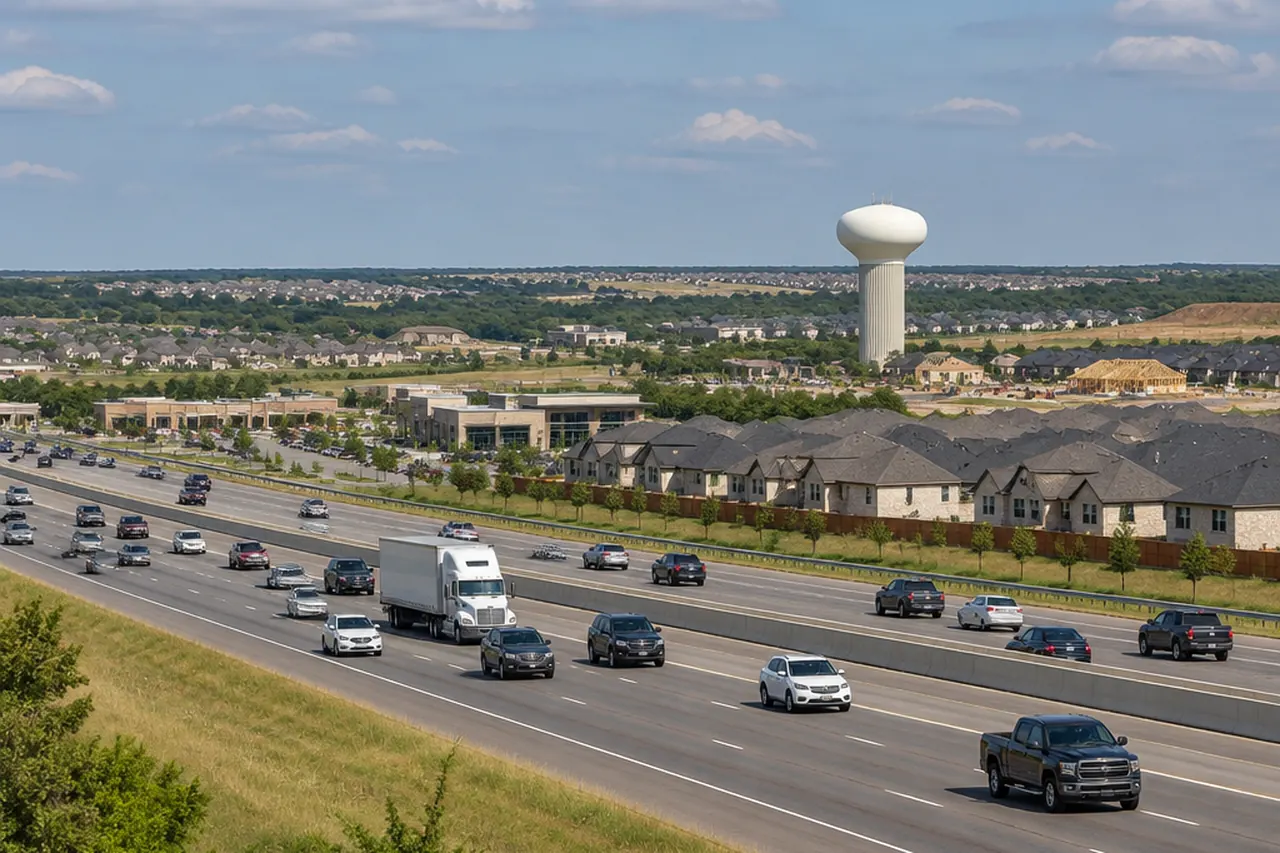
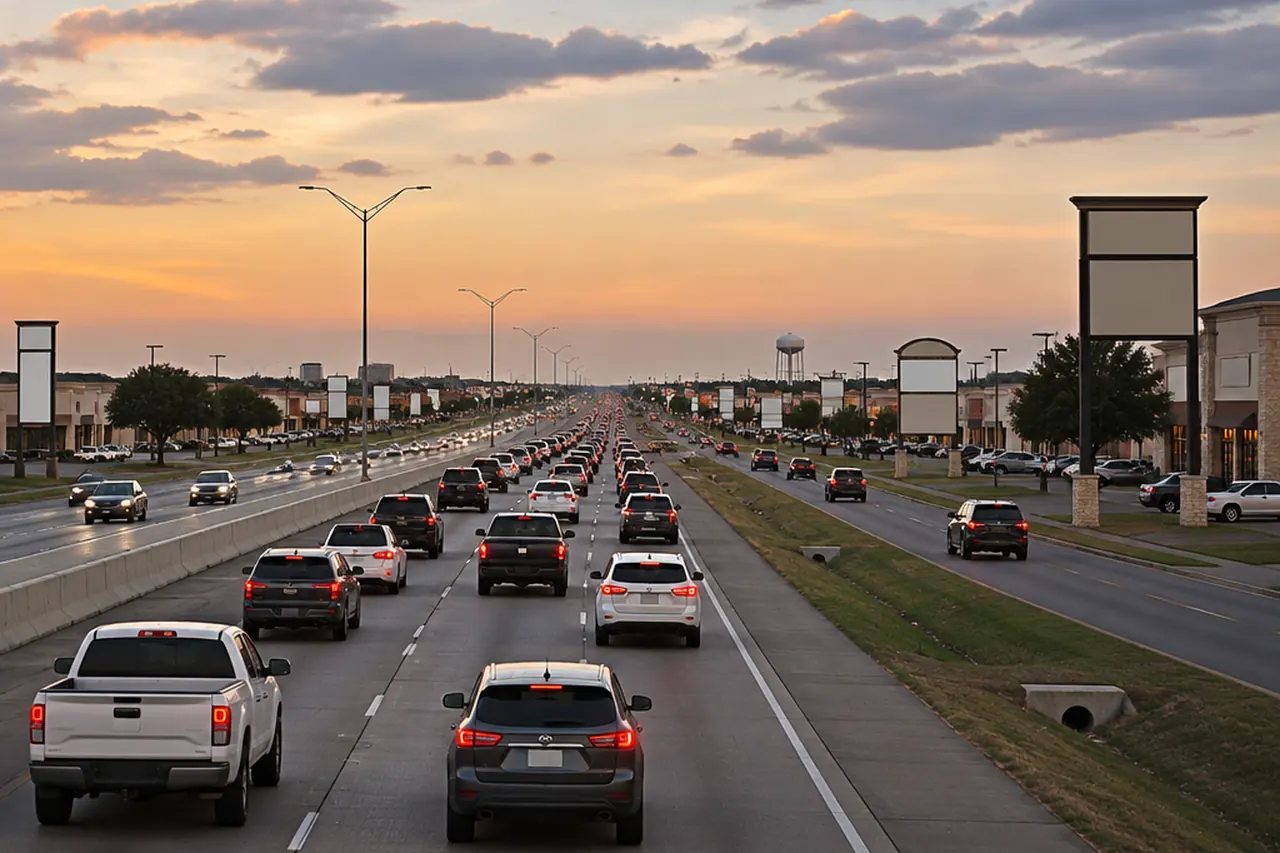
The commute out of Grayson County has grown longer and busier. People living in Sherman, Denison, Howe and Van Alstyne drive south every day to jobs in Collin County, and growth around Sherman's new manufacturing plants brings commuters in the other direction. Early starts, heavy traffic and work zones are a recipe for crashes. Our US-75 corridor page covers the road itself; this page covers who pays.
The "coming and going" rule
Workers' compensation generally covers injuries that happen in the course and scope of your job. Driving from home to your regular workplace is usually treated as part of your personal life, not your work. Courts call this the coming-and-going rule. So a wreck at 6:40 a.m. on US-75 near Van Alstyne, on your usual drive in, is generally not a workers' comp claim.
There are exceptions. A commute may count as work when:
- your employer provides the transportation or pays for the travel as part of the job,
- you were sent on a special errand or trip by your employer, or
- you were driving between job sites during the workday.
These exceptions depend on the facts. If any of them sound like your situation, ask a lawyer before you assume comp does or does not apply.
When you were driving for the job
If the crash happened while you were working, such as making deliveries, visiting customers, heading to a second site or picking up supplies, the picture changes. If your employer carries workers' comp, it generally pays for medical care and part of your lost wages without anyone proving who caused the crash. In that case a negligence suit against your employer is generally off the table, but you can still pursue the other driver.
Texas also lets many private employers opt out of comp entirely. Those employers, called non-subscribers, may face a negligence suit directly. That split is explained further in getting back on the job after a wreck.
Who pays for a commute crash
If comp does not apply, your claim looks like any other car wreck:
- The at-fault driver's liability insurance for medical bills, lost wages, pain and other losses.
- Your PIP coverage, which covers part of your medical bills and lost pay whoever was to blame, unless it was turned down in writing. See our PIP explainer.
- Your uninsured or underinsured motorist coverage if the other driver had little or none.
- Your health insurance for medical care, which may later ask to be repaid. Our article on health plan reimbursement covers that.
Missing work after a commute crash
Even when work is not responsible for the wreck, the wreck may cost you work. Lost wages can be part of what you ask the responsible driver's insurer to pay. A commute crash that keeps you home for two weeks, or puts you on light duty for two months, can add up. Ask your employer for a letter confirming your pay rate and the days you missed, and keep your doctor's work notes. If you use paid leave, track it; using vacation days to cover a crash injury can still be a loss.
What makes the Texoma commute risky
- long stretches at highway speed with sudden slowdowns near interchanges,
- construction lane shifts as the corridor expands,
- drowsy driving on early starts and late returns,
- sun glare on east-west stretches at dawn and dusk, and
- heavy truck traffic sharing the lanes.
Rear-end crashes are especially common in stop-and-go commuter traffic; see our rear-end collision page.
The quick answer
On your normal drive to work: probably not comp, but the other driver and your own policy may pay. On the clock: comp may apply, if your employer carries it, and the other driver may still owe you. In the gray areas: get advice before you file anything or sign anything with either insurer. Reach out at (903) 357-5775 or through the free case review form to put your questions to an independent Texas injury attorney.
Sources
Questions & answers
Is a crash on my way to work covered by workers' comp in Texas?
Usually not. The ordinary commute between home and your regular workplace is generally treated as personal travel. There are exceptions, such as employer-provided transportation or a special errand.
What if I was driving between job sites?
Travel during the workday for the job is often considered work. If your employer carries workers' comp, it may cover the injury, and the other driver may still owe you.
Can I get lost wages from the other driver for a commute crash?
Often, yes. Lost earnings can be part of what the driver who caused it owes. Keep pay records and doctor's work notes.
Related