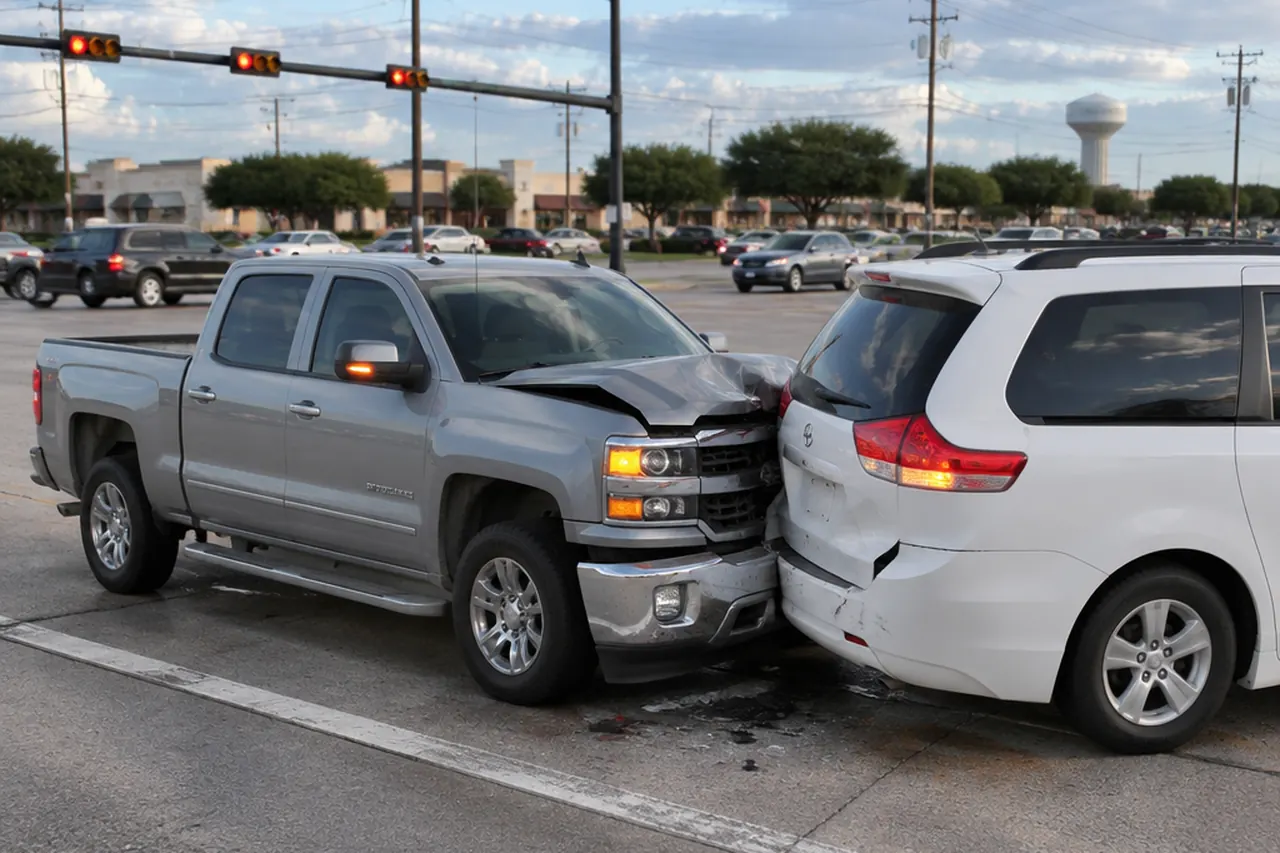
- In a pileup, more than one driver can be partly to blame, and Texas assigns each one a percentage.
- You may end up with claims against two or three different insurance companies at once.
- The order of impacts matters a great deal, so photos, video and witness names are worth more here than in a simple fender bender.
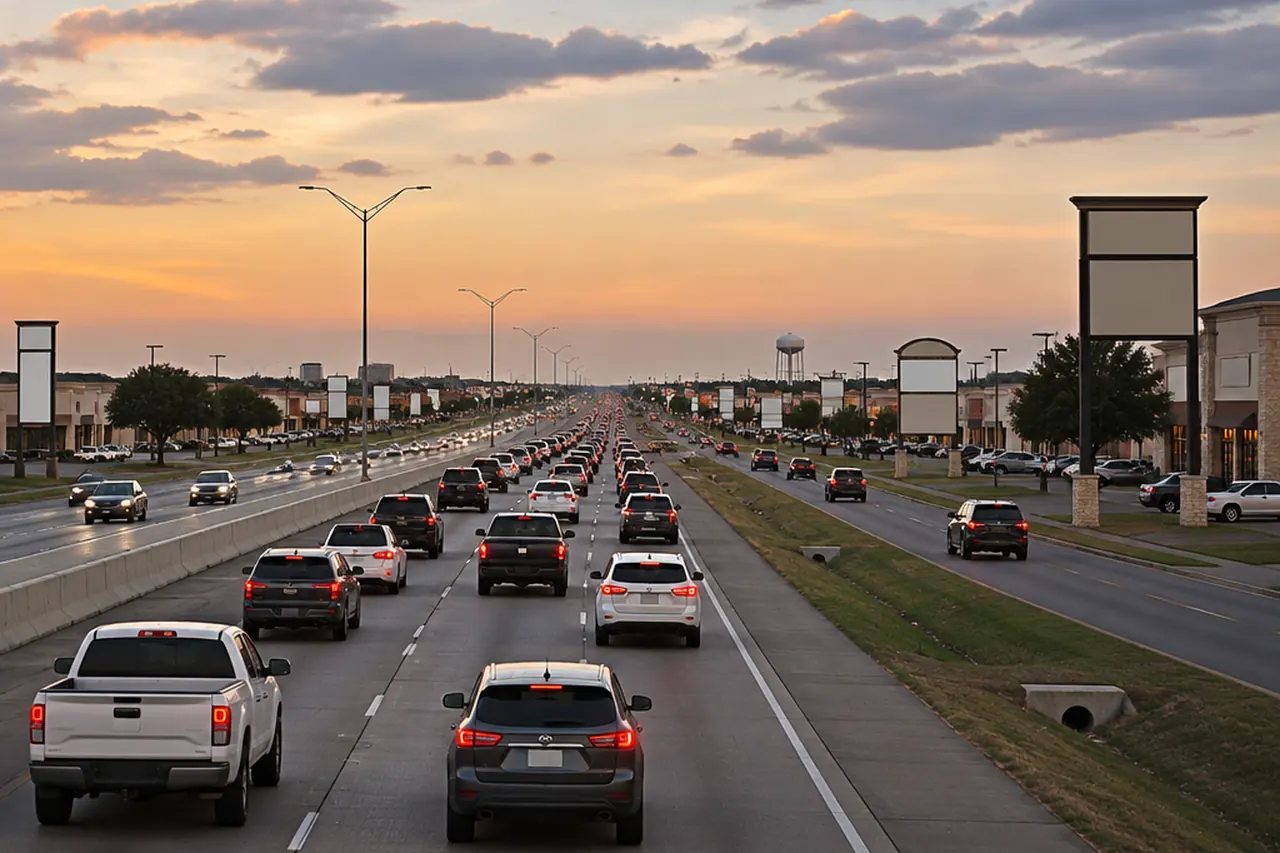
Picture a weekday evening on US-75 between Howe and Van Alstyne. Traffic headed home from Collin County slows hard for no obvious reason. One driver brakes in time, the next one barely does, and the third is looking at a phone. Within a few seconds, five vehicles are crumpled together and nobody is quite sure who hit whom first.
That is the classic chain-reaction crash. The injuries can be the same as in any other wreck, but the claim is messier, because the answer to "whose fault was it?" is often "several people's."
How chain-reaction crashes usually start
Most pileups grow out of a few familiar problems:
- Following too close. Texas law expects a gap big enough to brake without hitting anyone. At 70 mph on the expressway, that cushion vanishes quickly.
- Sudden slowdowns. A stalled car, a work zone lane shift or a crash on the other side that people slow to look at.
- Weather. Heavy rain, fog or ice can turn one sliding car into a dozen.
- Distraction. One driver who looks down at the wrong second can be the spark for everyone behind.
- Heavy trucks. A loaded rig needs far more road to stop, so a truck at the back of the line can push several cars into each other.
How Texas divides the blame
Texas uses a percentage system called proportionate responsibility. A jury, or the insurers in a settlement talk, assigns each person a share of fault. The shares add up to 100.
Here is what that means for you, in plain terms:
- Blamed for half or less? You can generally collect, minus your own share.
- If your share is more than 50 percent, you are generally barred from recovering anything.
- Any driver whose share tops 50 percent may owe the whole judgment, not just their slice. Drivers under that line generally pay only their own portion.
So the fight in a pileup is often over percentages. The driver who started it may argue the cars behind should have stopped. The car in the middle may say it was pushed. Your job is to make sure nobody quietly parks blame on you that does not belong there. For more detail on the rule, see Texas car accident laws.
Were you hit once or twice?
People in the middle of a pileup often get struck more than once: first from behind, then shoved into the car ahead. That matters. Each impact may come from a different driver with a different insurer, and each may be tied to different injuries. A sore neck may come from the first jolt and a broken wrist from the second.
Try to remember, and write down soon, how many hits you felt and in what order. Your memory fades faster than you expect.
When several insurance companies are involved
In a five-car wreck, you may have calls coming from three adjusters who each say their driver was barely involved. A few habits help:
- Keep a simple log: which company, its claim number, who you talked to and when.
- Give each adjuster the same facts. Do not guess at percentages or speeds.
- Do not sign a release with one company until you understand whether it ends your claim against the others.
- Expect slower progress. Insurers often wait to see how fault shakes out before making offers.
Before you give a taped interview to any of them, read our piece on the recorded statement.
One more wrinkle: when several people are badly hurt and the responsible driver bought only the state minimum, the limits may have to stretch across everyone. Your own underinsured motorist coverage can matter a lot in that situation.
Evidence that sorts it out
Because nobody agrees, outside proof carries extra weight:
- dash camera video from any car in the line,
- photos of where each vehicle came to rest and of the damage on every car,
- names and numbers of witnesses who were not in the pileup,
- the crash report, which may list each unit and the officer's view of the sequence, and
- data stored in some vehicles' event recorders, which can show braking and speed.
On US-75, the crash is often worked by Texas DPS or, inside city limits, the local police. The Sherman crash report guide shows where to request your copy. You can read more about the highway itself on our US-75 corridor page.
What to do this week
Get checked out even if you walked away, because pileup injuries often surface a day or more afterward. Save every photo. Write down the order of impacts. Then, if the insurers start pointing fingers at you, dial (903) 357-5775, or fill out the short form on our case review page, and an independent Texas injury lawyer can look at how fault might be split.
Sources
- Texas Civil Practice & Remedies Code, ch. 33 — proportionate responsibility
- Texas Transportation Code, ch. 545 — operation and movement of vehicles
- Texas Transportation Code, ch. 601 — motor vehicle safety responsibility
- Texas Insurance Code, ch. 1952 — PIP and UM/UIM coverage
- Texas Civil Practice & Remedies Code, ch. 16 — limitations
Questions & answers
Who gets blamed for a Texas chain-reaction wreck?
Often more than one driver. Texas assigns each person a percentage of fault, and each pays according to their share. The driver who started it is not always the only one responsible.
Can I recover if I was partly to blame in a pileup?
Generally, yes, as long as your share is 50 percent or less. Whatever you recover is reduced by your percentage. Above 50 percent, you are generally barred.
Do I deal with every driver's insurance company?
Possibly. If more than one driver contributed, you may have a claim with each of their insurers. Keep a log of every call and claim number, and avoid signing a release until you know what it covers.
Related