Here's the short version: ice makes crashes more likely, but it does not automatically make them nobody's fault. Texas expects drivers to slow down and drive for the conditions. A driver who slid into you may still be responsible, and so might you, depending on how each of you was driving.
Every so often, a winter storm rolls across North Texas and coats everything in a thin glaze. Schools close, the grocery store runs out of bread, and the US-75 overpasses in Sherman and Denison turn into skating rinks. Plenty of drivers here have little practice on ice, and some have no idea how fast a bridge freezes compared with the road leading up to it.
Bridges and overpasses freeze first
Bridges lose heat from above and below, so they can ice over while the road on either side is merely wet. That is why the "Bridge May Ice in Cold Weather" signs exist. Around Sherman, that means overpasses on US-75 and US-82, creek bridges on farm roads, and the long crossings toward Lake Texoma and the Red River.
Black ice adds another layer. It is a thin, clear coat that looks like wet pavement. Drivers often do not know it is there until the steering goes light.
"The ice did it" is usually not the end of it
Texas law asks drivers to keep their speed reasonable for the conditions actually present, not just under the posted limit. On an icy morning, 60 mph on an expressway can be unreasonable even with a 70 sign. A driver who sails over an overpass at normal speed during a known ice storm and slides into a stopped car may well be found negligent.
Things that often point toward fault on ice:
- driving at normal speed after storm warnings and closures were announced,
- following too closely, leaving no room to slow on a slick surface,
- slamming the brakes or making sudden lane changes,
- driving with frosted-over windows, and
- bald tires or brakes in poor repair.
Insurers sometimes argue a crash was an unavoidable accident or a sudden emergency. Those arguments can carry weight when a driver was genuinely careful and hit a patch nobody could have seen. They carry much less when the storm had been on the news for two days. How the ice and each driver's choices fit together is often the real fight.
When both drivers were sliding
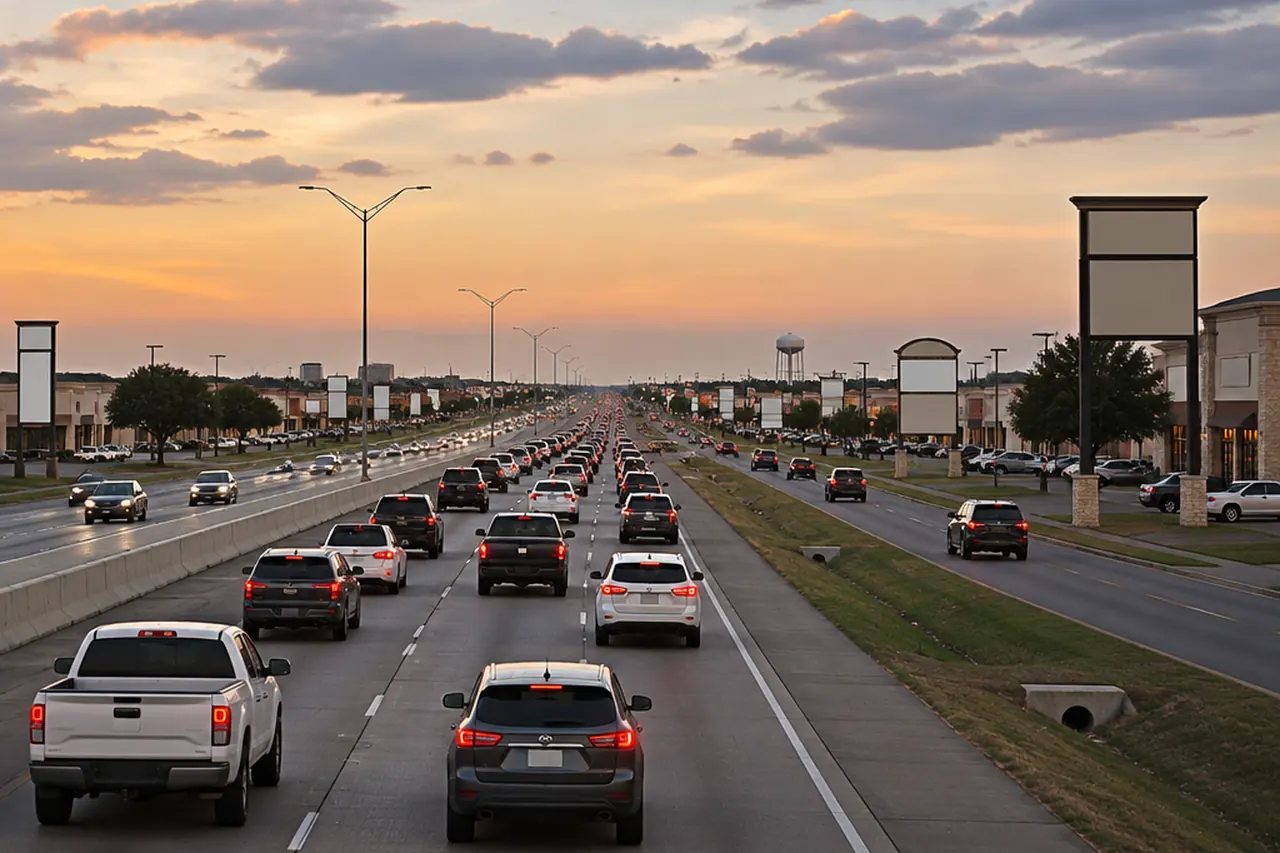
Ice crashes often involve more than one person making mistakes. Texas hands out blame in percentages. A driver more than half at fault generally walks away with nothing, while one at half or under collects a reduced amount. See Texas car accident laws for detail. Ice storms are also a common trigger for chain-reaction wrecks; see our article on multi-car pileups.
Can the road crew be blamed?
A common question is whether a city or the state can answer for a bridge that was never sanded. Claims against government bodies in Texas run through the Texas Tort Claims Act, which limits when they can be held responsible and requires written notice within a short window, often six months. Weather-related road conditions are a hard area for those claims. If you think the road itself was part of the problem, talk to a lawyer early rather than late.
After an icy crash: a checklist
- If you can, get out of traffic. On a frozen overpass, other cars may slide into the same spot. Staying belted inside the car can be safer than standing on the ice.
- Call 911. Officers may be stretched thin during a storm, so be patient but make sure the crash is recorded.
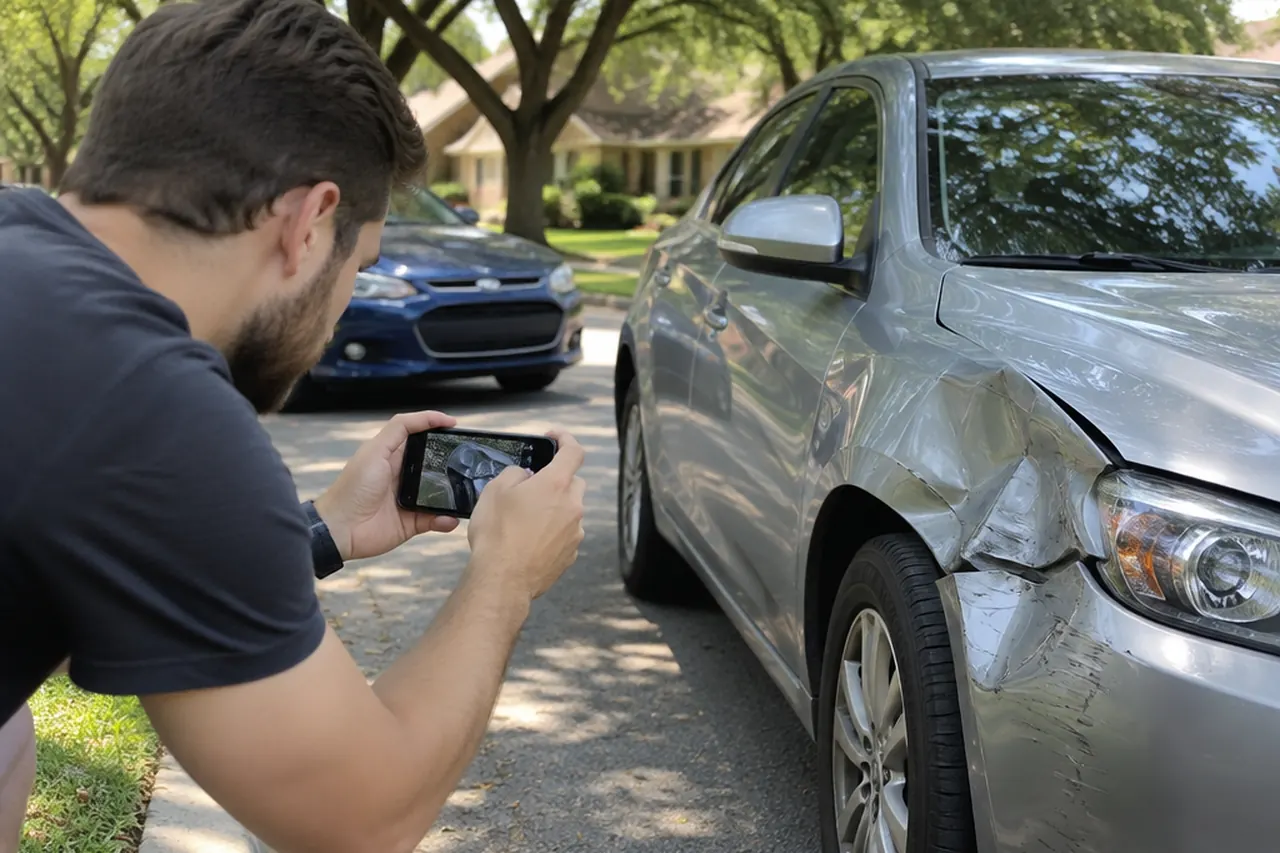
- Take photos of the road surface, the signs, the weather and both cars.
- Note the time and any closures or warnings in effect.
- Get medical care. Falls on ice after a crash cause injuries of their own, too.
- Report the claim to insurers promptly. Storm days produce a flood of claims, and yours may move slower.
Texas law calls for a report whenever someone is hurt or a vehicle cannot be driven away. Getting your copy is covered on the Sherman crash report page.
Not just ice
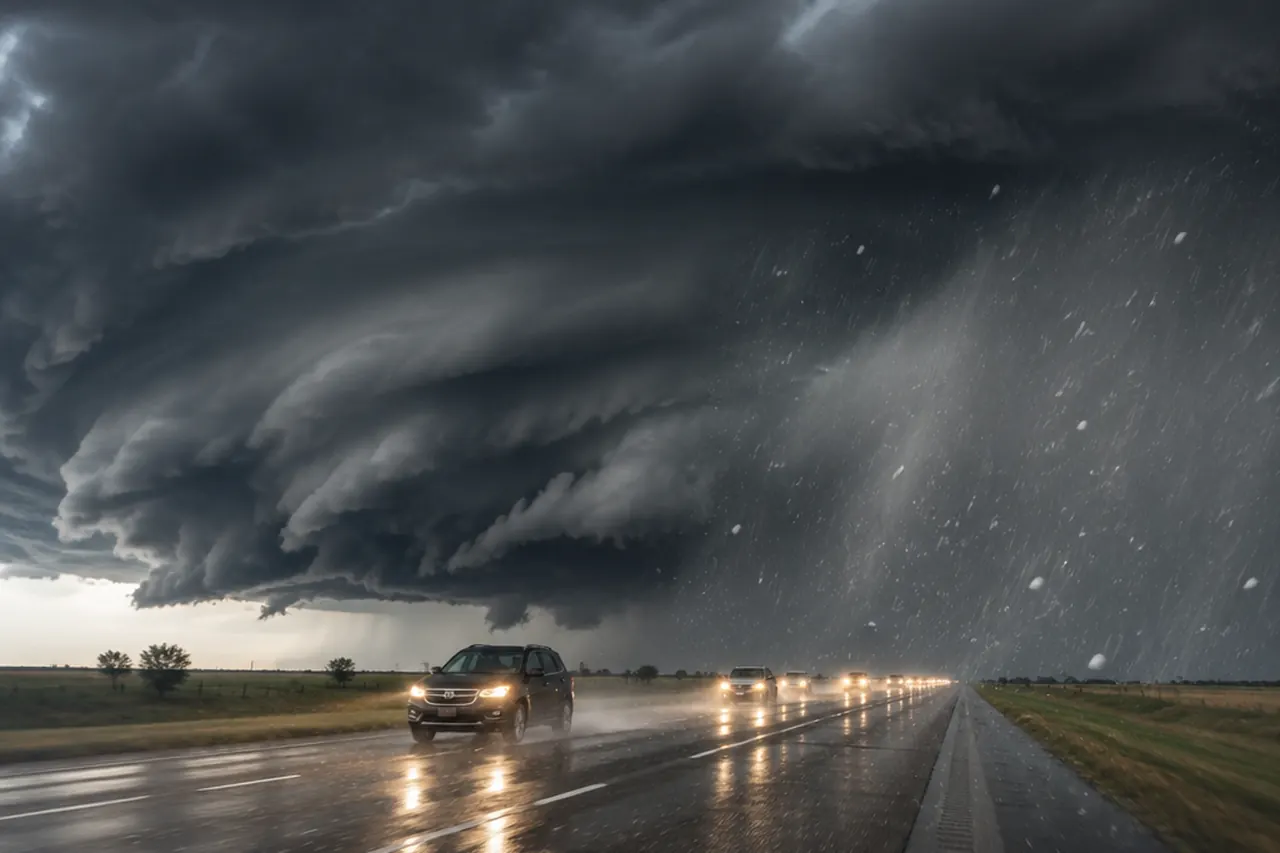
Texoma's weather turns on drivers in other seasons too: spring hail, sudden downpours and flash flooding. The same idea applies. Bad weather raises the bar for careful driving rather than lowering it. If a storm-day crash has left you hurt and an insurer is blaming the sky, give us a ring at (903) 357-5775 or go to our free case review page so an outside Texas lawyer can talk it through with you.
Sources
Questions & answers
Is anyone at fault if a car slides on ice?
Often, yes. Texas expects drivers to slow down for conditions. A driver going too fast for ice, or following too closely, may be found negligent even though the road was slick.
Can I sue the city for an icy bridge?
The Texas Tort Claims Act sharply narrows suits against government bodies, and written notice is often due within six months. Weather conditions are a difficult area, so get advice early.
What if both of us were sliding?
Fault can be shared. As long as you carry no more than half of it, you may still collect a reduced amount.
Related