Here's the short version: if the crash happened on a Texas road, Texas rules generally decide who was at fault, what you can recover and how long you have to act. The other driver's home state mostly matters for paperwork, such as which insurance company you call and how you reach them later.
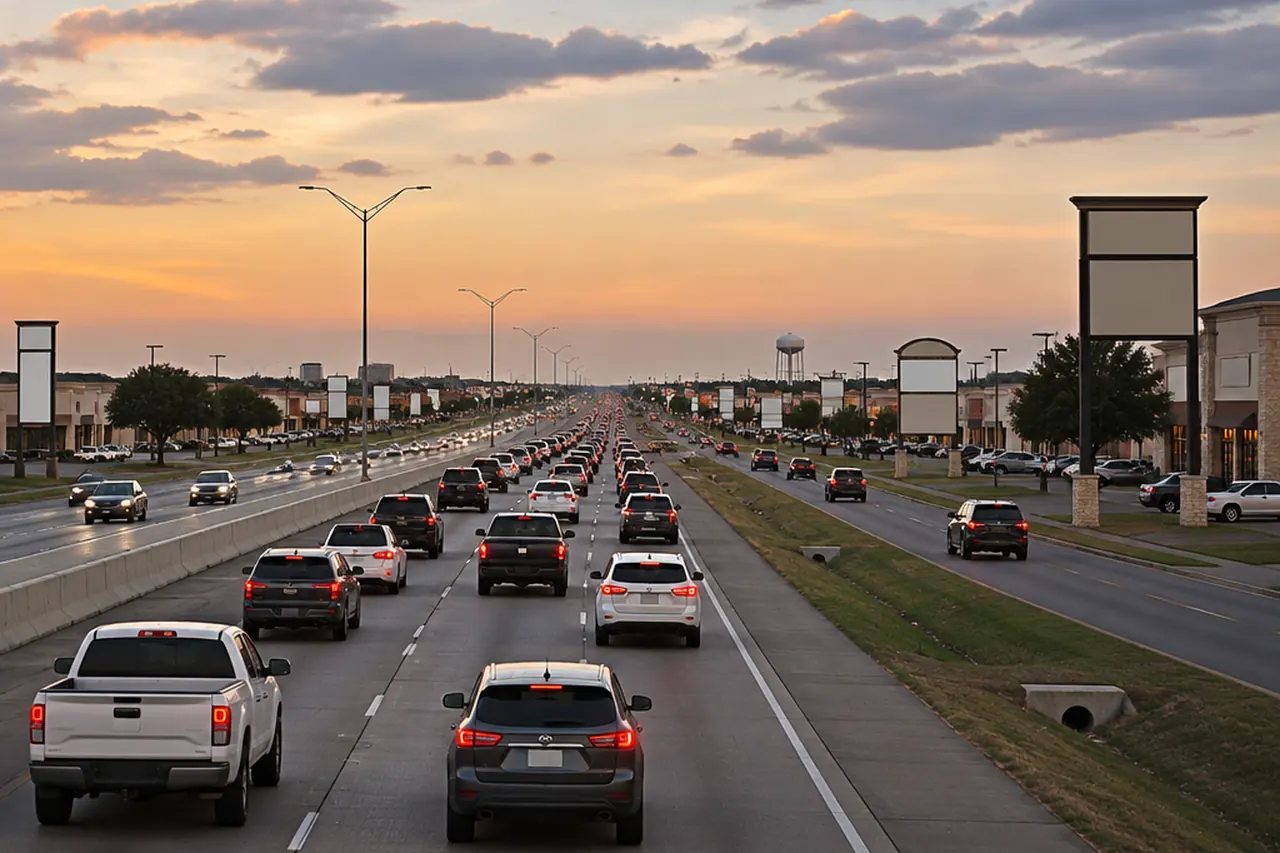
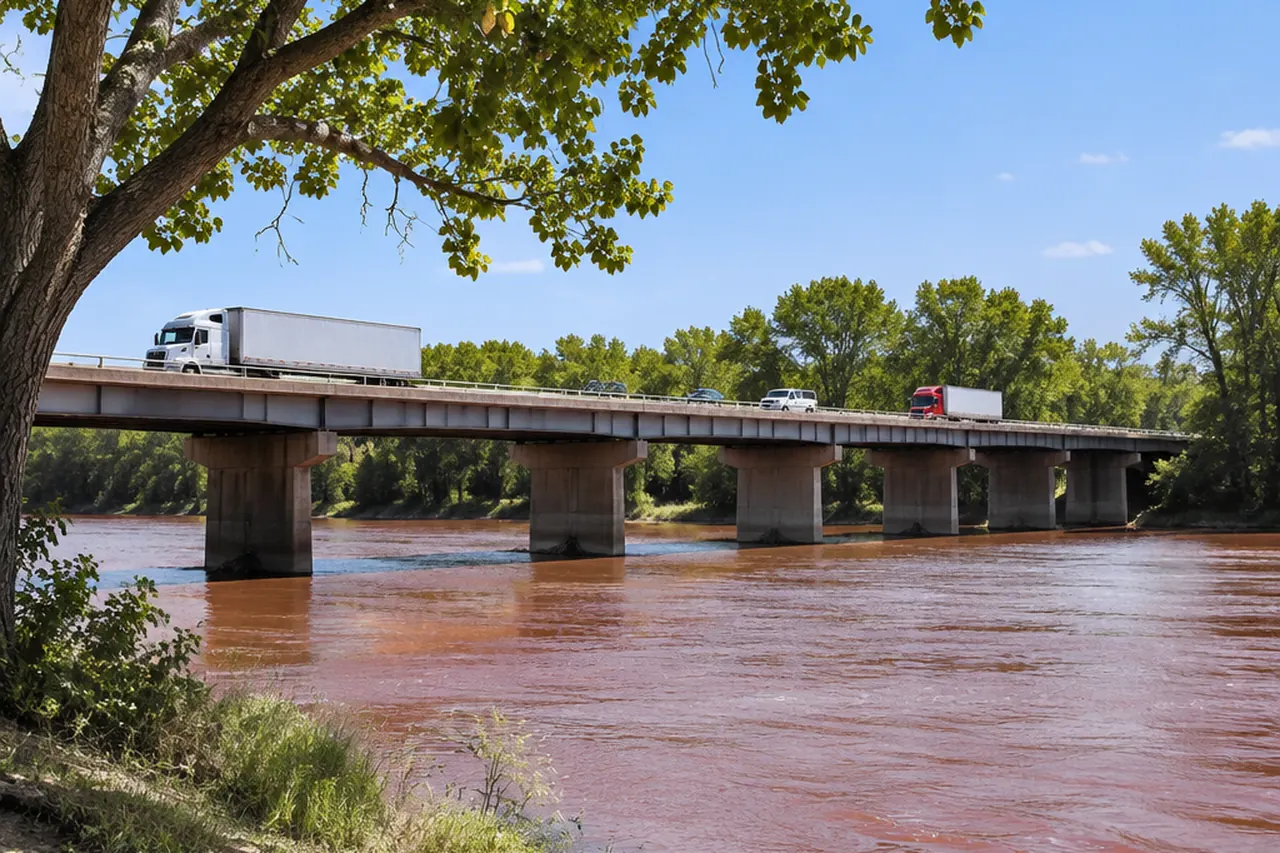
Drive US-75 north out of Sherman on a Friday evening and you will see it. Cars from Durant, Ada and Oklahoma City heading home, Texas cars headed up to the lake or the casinos, and everybody funneling across the Red River at once. When two of those cars meet the wrong way, people start asking whose rules apply. Here is how it usually works.
Which state's law decides the case
As a general rule, the law of the place where a crash happens governs it. A wreck on Texoma Parkway, on US-75 near Denison or on a farm road outside Pottsboro is generally a Texas case, even if neither driver lives in Texas. That means a few Texas rules travel with it:
- The two-year clock. In most injury cases, the deadline to file suit in Texas is two years after the date of the wreck.
- Shared fault. Blame is divided into percentages. Carry more than half of it and you generally get nothing; carry half or less and whatever you collect shrinks by your percentage.
- Texas damages rules. What counts as a medical expense, and how it is measured, follows Texas law.
Our page on Texas car accident laws covers each of these in more depth.
Dealing with their insurance company
The Oklahoma driver's policy was written for Oklahoma, but auto policies are generally built to follow the car across state lines. Many contain a clause that raises coverage, if needed, to whatever minimum the local state demands. Texas sets its floor at 30/60/25, meaning $30,000 for any one hurt person, $60,000 total for everyone hurt in one wreck, and $25,000 to cover damaged property.
In practice, you open a claim with their insurer the same way you would with a Texas company. A few things make it smoother:
- Photograph the other driver's license, insurance card and plate before anyone leaves.
- Write down the policy number exactly. Out-of-state cards can look unfamiliar, and a single wrong digit can cost you a week.
- Get a cell number, not just a home address two hours away.
- Before the officer drives off, jot down the report or case number.
If the driver had no insurance at all, or not enough, your own uninsured/underinsured motorist coverage may step in. Our uninsured driver and hit-and-run page explains how that works.
Where a claim gets filed
Most injury claims settle with the insurance company and never see a courtroom. When a lawsuit is needed, it can usually be filed in Texas, commonly in the county where the wreck took place. Texas courts can generally hear a case against a nonresident driver who caused a crash on a Texas road.
When the people involved live in different states and the claim is large enough, the case might be heard in federal court. That would not mean a long trip: the federal court for the Eastern District of Texas has a Sherman Division, right here in Grayson County. An attorney can explain which court fits your situation.
Lake weekends and casino nights
Traffic across the Red River comes in waves. Summer weekends bring trucks with boats in tow. Evenings and holidays bring people headed to and from the casinos just over the line. Those trips can mean long drives home late at night, drivers who do not know the local roads, and in some cases alcohol.
If you suspect the other driver had been drinking, tell the officer at the scene. Texas has a dram shop law that, in some situations, can make a bar or restaurant that kept serving someone who was plainly drunk share the blame. Where the drinks were served can matter, so mention it early. Our drunk driving crash page explains more.
Which officers handle it
Inside Sherman, the Sherman Police Department usually responds. In Denison, it is the Denison Police Department. Out on the highways and rural roads, it is often the Grayson County Sheriff's Office or Texas DPS. The report they write is the same Texas crash report no matter where the other driver lives. Learn how to get a copy on our Sherman crash report page.
If you are the one from Oklahoma
Maybe you live in Durant and were hit by a Texas driver in Sherman. You are generally treated under the same Texas rules as anyone else. You can go home, see your own doctor and keep the claim moving from there. Keep every bill and record, and do not wait on the two-year Texas deadline just because you live across the river.
Want a second set of eyes on it? Ring (903) 357-5775 or send the details through our case review page. A Texas injury lawyer who works independently of this site can walk through it with you, at no charge.
Sources
- Texas Civil Practice & Remedies Code, ch. 16 — limitations
- Texas Civil Practice & Remedies Code, ch. 33 — proportionate responsibility
- Texas Transportation Code, ch. 601 — motor vehicle safety responsibility
- Texas Insurance Code, ch. 1952 — PIP and UM/UIM coverage
- Texas Alcoholic Beverage Code, ch. 2 — dram shop liability
Questions & answers
Does Oklahoma law apply if the other driver is from Oklahoma?
Generally, no. When the wreck happens on Texas pavement, Texas law usually controls it, including the two-year filing deadline and the Texas shared-fault rule, no matter where the drivers live.
Can I file my claim in Texas if the driver lives in Oklahoma?
Usually, yes. The insurance claim can be opened from anywhere, and Texas courts can generally hear a lawsuit against a nonresident who caused a crash in Texas. Some cases may be filed in federal court instead.
What if the Oklahoma driver's coverage is lower than Texas minimums?
Many policies automatically bump up to the Texas minimums while the car is driven here. When that still leaves a gap, the underinsured motorist part of your own policy may fill some of it.
Related